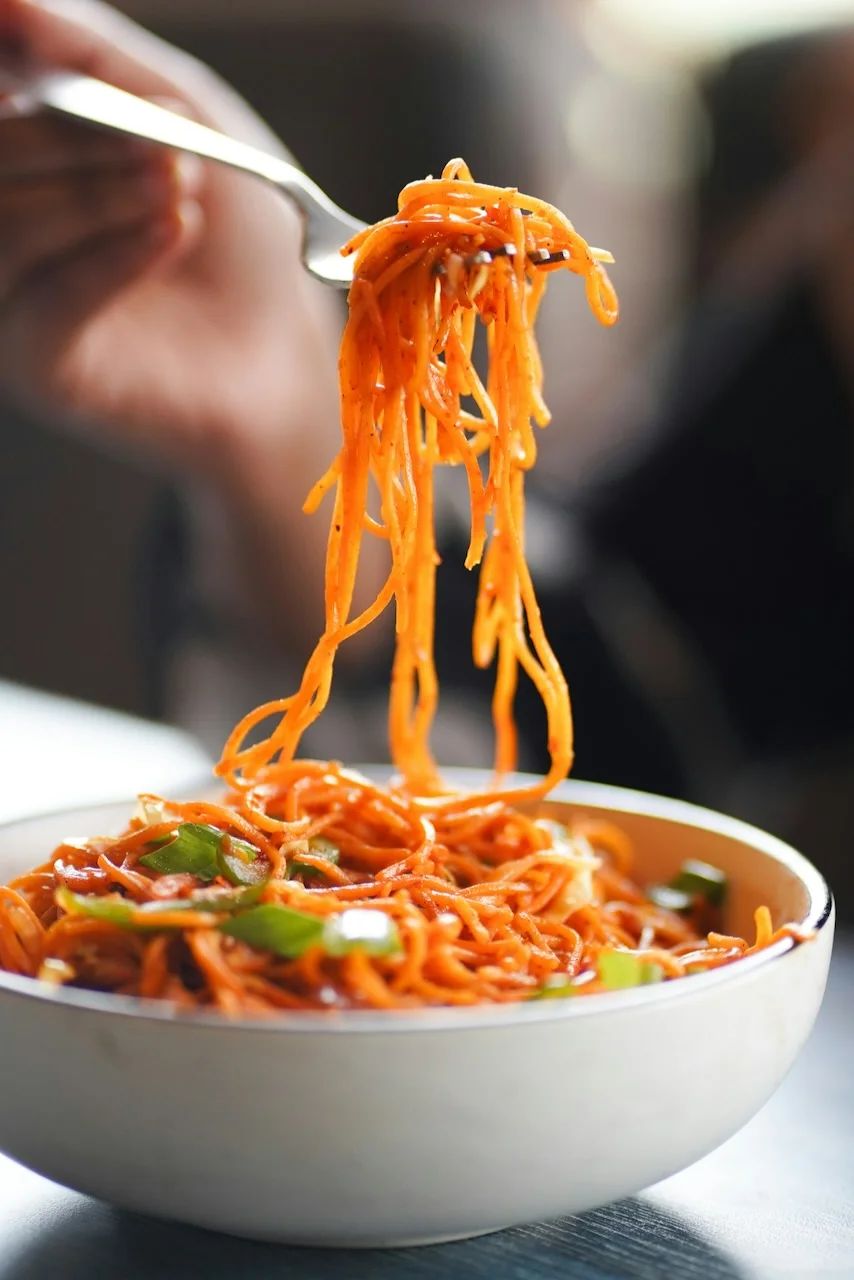
If you love fast, bold, weeknight noodles, these 15‑minute Korean gochujang buttered noodles will become your new go‑to. They’re glossy, spicy, buttery, and deeply satisfying.
The kind of dish you can make when you’re tired, hungry, and want something that tastes like you put in more effort than you actually did. The magic comes from the combination of gochujang and butter: one brings heat and fermented depth, the other adds silkiness and richness.
Together, they coat long noodles in a sauce that clings beautifully and tastes like comfort with a kick.
This recipe is inspired by the viral trend of gochujang butter pasta, but it leans more Korean in flavor and stays true to the simplicity that makes gochujang buttered noodles so popular. It’s quick, modern, and perfect for 2026 cooking habits — minimal prep, pantry-friendly ingredients, and a flavor profile that feels both familiar and exciting.
Cooking for yourself or feeding someone who loves spicy noodles?
This dish delivers every single time.
Enjoy!
15‑Minute Korean Gochujang Buttered Noodles
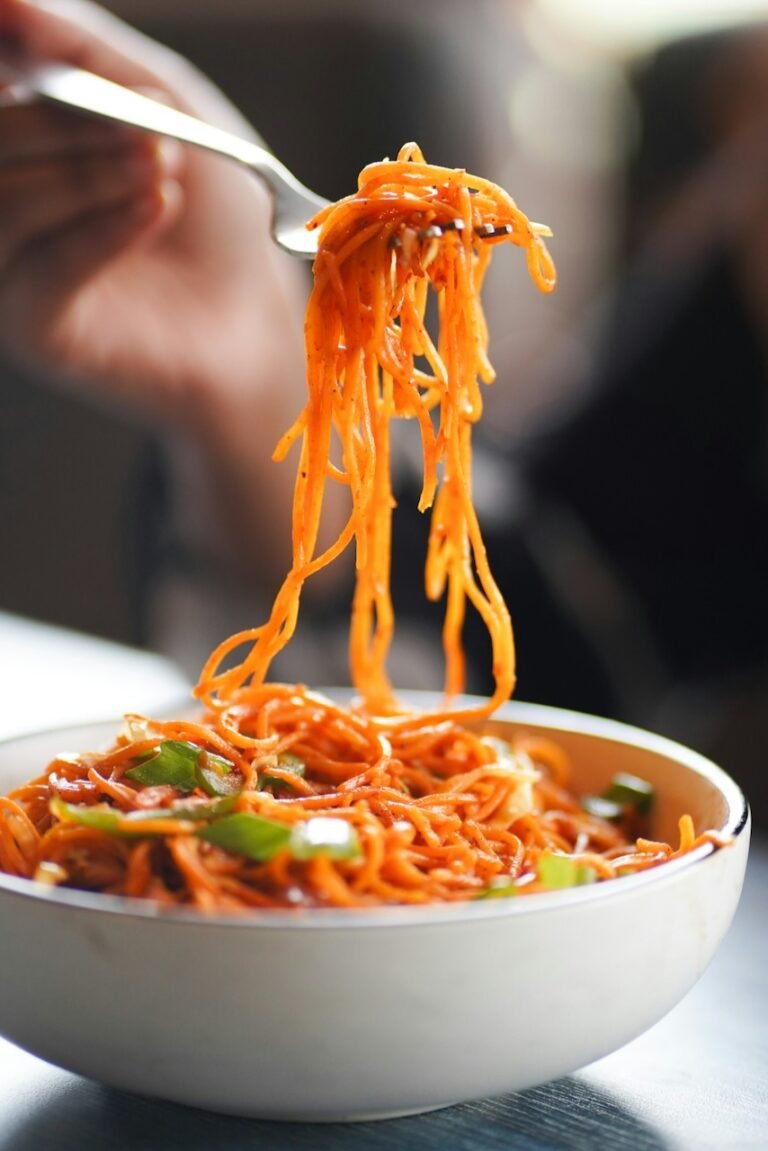
- 8 oz long noodles (spaghetti, udon or ramen)
- 2 tbsp unsalted butter
- 1 tbsp gochujang paste
- 1 tbsp soy sauce
- 1 tsp rice vinegar
- 2 cloves garlic minced
- 2 to 3 tbsp noodle cooking water
- 1 to 2 spring onions chopped
- sesame seeds (optional)
1) Cook the noodles according to package instructions and reserve a little cooking water to use later on.
2) Melt the butter in a pan over medium heat and add the minced garlic. Cook briefly until fragrant.
3) Stir in the gochujang paste, soy sauce, and rice vinegar.
4) Add a splash of the warm noodle water to loosen and emulsify the sauce until glossy.
5) Add the cooked noodles and toss until evenly coated.
6) Finish with sliced spring onion and sesame seeds.
7) Serve immediately while hot and silky.

What Are Gochujang Buttered Noodles?
Gochujang buttered noodles are a quick noodle dish made with long noodles tossed in a glossy sauce of butter, gochujang, soy sauce, garlic, and a splash of noodle water. The butter melts into the chili paste, creating a silky, spicy coating that sticks to every strand. It’s a fusion-style recipe that blends Korean flavors with Western comfort, and it has become one of the most searched noodle dishes online.
If you want to learn more about gochujang itself and how it’s traditionally made, Maangchi’s guide to gochujang is a great read.
The beauty of gochujang buttered noodles is how simple they are. You don’t need special equipment, complicated steps, or a long ingredient list. The sauce comes together in minutes, and the noodles absorb it instantly. It’s the kind of recipe that fits perfectly into modern cooking: fast, flavorful, and flexible.
Ingredients You’ll Need
Even though the recipe is simple, each ingredient plays a role in building the signature flavor and texture of gochujang buttered noodles.
- Noodles: Long noodles work best — spaghetti, udon, ramen, or linguine. They hold the sauce well and give you that satisfying slurp.
- Gochujang: The star ingredient. It’s spicy, sweet, savory, and fermented. Choose a good-quality Korean brand for the best flavor.
- Butter: Unsalted butter gives you control over the saltiness. It melts into the gochujang and creates that glossy, silky finish.
- Garlic: Fresh garlic adds sharpness and depth.
- Soy Sauce: Adds saltiness and umami.
- Rice Vinegar: A splash of acidity brightens the sauce and balances the butter.
- Spring Onion: This is the only vegetable component in the dish. It adds freshness, color, and a mild onion bite that works beautifully with the buttery heat.
- Sesame Seeds: Optional, but they add a bit of texture and visual contrast.
These ingredients are easy to find and pantry-friendly, making gochujang buttered noodles a perfect last-minute meal.
Why Gochujang and Butter Work So Well
The combination of gochujang and butter is one of those culinary pairings that feels instantly right. Gochujang is bold, spicy, and fermented, while butter is creamy and rich. When they melt together, you get a sauce that’s both comforting and exciting — spicy but smooth, rich but balanced.
Butter also helps mellow the heat of gochujang, making the dish accessible even for people who don’t love very spicy food. And because butter emulsifies easily with noodle water, you get a sauce that clings beautifully to the noodles.
This pairing has become increasingly popular in 2026 because it fits the trend of comfort fusion: dishes that feel familiar but introduce new flavors in a simple, approachable way.
Variations
One of the reasons gochujang buttered noodles are so popular is how easy they are to customize. Here are variations that keep your recipe relevant and SEO strong.
- Protein Add‑Ins: crispy tofu, rotisserie chicken, shrimp, or a soft-boiled egg.
- Vegetable Add‑Ins: mushrooms, spinach, zucchini, or broccoli. Even though the base recipe uses only spring onion, these additions work well if you want more texture.
- Extra Heat: gochugaru, chili oil, or sliced fresh chili.
If you want to explore another quick Korean noodle dish with bold flavor, try my kimchi fried noodles — spicy, tangy, and ready in minutes.
- Creamy Version: add a splash of heavy cream or coconut milk for a richer, creamier sauce.
- Cheesy Version: a sprinkle of parmesan or mozzarella turns this into a Korean‑Italian fusion dish that’s extremely trendy in 2026.
Serving Tips
Serve immediately — the sauce is at its best when hot and glossy.
Add a squeeze of lime or lemon for brightness.
Top with sesame seeds for crunch.
Pair with a simple cucumber salad or kimchi for contrast.
These small touches elevate the dish without adding complexity.
Storage and Reheating
Gochujang buttered noodles store surprisingly well for a noodle dish.
Storage: Store in an airtight container for up to 3 days. The sauce may thicken slightly in the fridge.
Reheating: Reheat in a pan with a splash of water or butter. Microwave works too, but stir halfway for even heating.
The flavors deepen overnight, making leftovers delicious.
Here are the most common questions readers ask about gochujang buttered noodles.
FAQ
What is gochujang?
Gochujang is a Korean fermented chili paste made from red pepper flakes, glutinous rice, soybeans, and salt. It has a deep, savory heat with a subtle sweetness that makes it perfect for sauces. In gochujang buttered noodles, the paste melts into the butter and creates a glossy, sticky coating that gives the dish its signature texture. It’s widely available in most US and European supermarkets, usually in the international aisle.
Can I make gochujang buttered noodles without butter?
You can, but the dish won’t have the same silky finish. Butter is what softens the heat of the gochujang and helps the sauce cling to the noodles. If you need a dairy‑free option, vegan butter works surprisingly well and keeps the same texture. A splash of sesame oil can add flavor, but it won’t create the same creamy consistency.
Are gochujang buttered noodles very spicy?
They have a moderate heat level. Gochujang is spicy, but not aggressively so, and the butter mellows it out. Most people find the dish warming rather than fiery. If you prefer more heat, you can add chili oil or gochugaru. If you prefer less, simply reduce the amount of gochujang or add a little extra butter to soften the spice.
Can I use gluten-free noodles?
Yes, gochujang buttered noodles work well with gluten-free spaghetti, rice noodles, or gluten-free ramen. The sauce coats all long noodles in the same way. Just make sure your soy sauce is gluten-free too, or swap it for tamari. The texture will be slightly different, but the flavor stays just as satisfying.
Can I make this dish vegetarian or vegan?
The base recipe is vegetarian as long as your gochujang doesn’t contain anchovy (some brands do). For a vegan version, use vegan butter and double-check the ingredient list on your gochujang. Many Korean brands are naturally vegan, making this an easy plant-based weeknight meal.
Can I add protein?
Absolutely. Gochujang buttered noodles are a great base for quick proteins. Crispy tofu, rotisserie chicken, shrimp, or a soft-boiled egg all work beautifully. The buttery gochujang sauce complements both plant-based and animal proteins, so you can adapt the dish depending on what you have in your fridge.
Can I use gochujang powder instead of paste?
It’s not recommended. Gochujang powder doesn’t have the fermented depth or sticky texture of the paste, and it won’t emulsify with butter. The paste is what gives gochujang buttered noodles their glossy, clingy sauce. Powder can be used to add extra heat, but not as a replacement.
Why are gochujang buttered noodles so popular?
They fit perfectly into modern cooking habits: fast, comforting, and packed with flavor. People want meals that feel homemade without requiring much prep, and gochujang buttered noodles deliver exactly that. The dish also taps into the ongoing trend of Korean flavors becoming mainstream, while still being simple enough for beginners. It’s a recipe that feels fresh, global, and weeknight-friendly — a combination that keeps it trending year after year.
If you make these noodles, let me know how spicy you went!