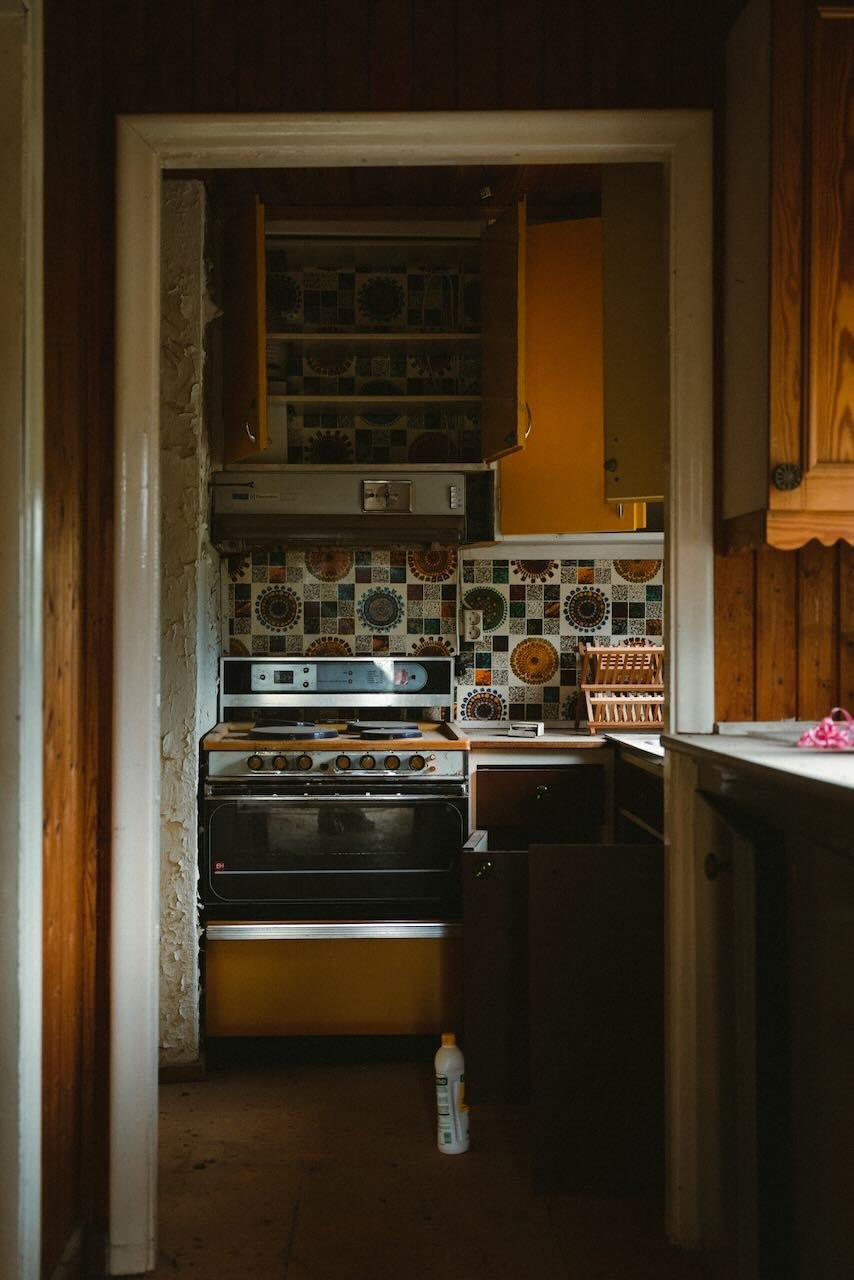
 A small kitchen can be a lovely place to cook when every shelf, container, and fridge corner has a purpose.
An older kitchen can be just as practical, especially when it has sturdy cupboards, good light, and a bit of character.
The trick is knowing what can quietly affect your food before it reaches the plate. Moisture, dust, warm spots, strong odors, pests, and cluttered storage can all cause problems if they’re ignored for long enough.
Food safety doesn’t need to feel fussy or complicated. A few simple habits can keep ingredients fresher, make cooking less stressful, and help the whole kitchen feel cleaner and easier to use.
Keep Cold Foods Properly Stored
The fridge is often the first place where a small kitchen starts to feel messy. Leftovers get pushed to the back, containers lose their labels, and fresh ingredients can disappear behind jars, bottles, and half-used packets.
Keep raw meat, seafood, and poultry on the lowest shelf so they can’t drip onto cooked or ready-to-eat food. Store cooked dishes in shallow containers so they cool evenly, and label anything that might be forgotten after a busy day. In small restaurants or active home kitchens, grouping similar refrigerated items together makes everything easier to check, rotate, and use in time.
A tidy fridge saves space, but it also saves guesswork. You can see what you have, use ingredients while they’re still fresh, and avoid opening a mystery container that should have been thrown out days ago.
Use Packaging That Protects Food From Air, Moisture, and Odors
Good storage often starts with a proper seal. Air can dry food out, moisture can speed up spoilage, and strong smells can work their way into ingredients that should taste fresh and clean.
Use airtight containers for flour, sugar, grains, nuts, and snacks once the original packaging has been opened. Wrap cheese carefully, keep leftovers covered, and avoid storing delicate foods next to onions, garlic, or other strong-smelling foods. In a compact kitchen, this matters even more because everything sits close together.
Clear containers are useful because you can quickly see what needs to be used first. Just make sure the container suits the ingredient. Dry goods need a dry spot, cooked food should cool safely before it’s sealed, and anything perishable belongs in the fridge rather than on the counter.
Watch for Dust, Damp Corners, and Pest-Prone Areas
Some storage problems begin in the quiet corners of a kitchen. The back of a pantry shelf, the space behind a flour bin, the cupboard beside an old sink, or the floor under a prep table can collect crumbs, dust, and moisture before anyone notices.
Check dry storage areas regularly, especially in older kitchens where shelves may not sit neatly against the wall. Wipe down jars and containers, clean under baskets, and keep bags of rice, flour, pasta, and cereal properly sealed. Even a small spill can attract pests if it sits long enough.
Dampness needs quick attention. If a shelf smells musty or a storage corner feels damp, move the food to a dry spot and address the source of the dampness before restocking. Ingredients keep better when the area around them stays clean, dry, and easy to inspect.
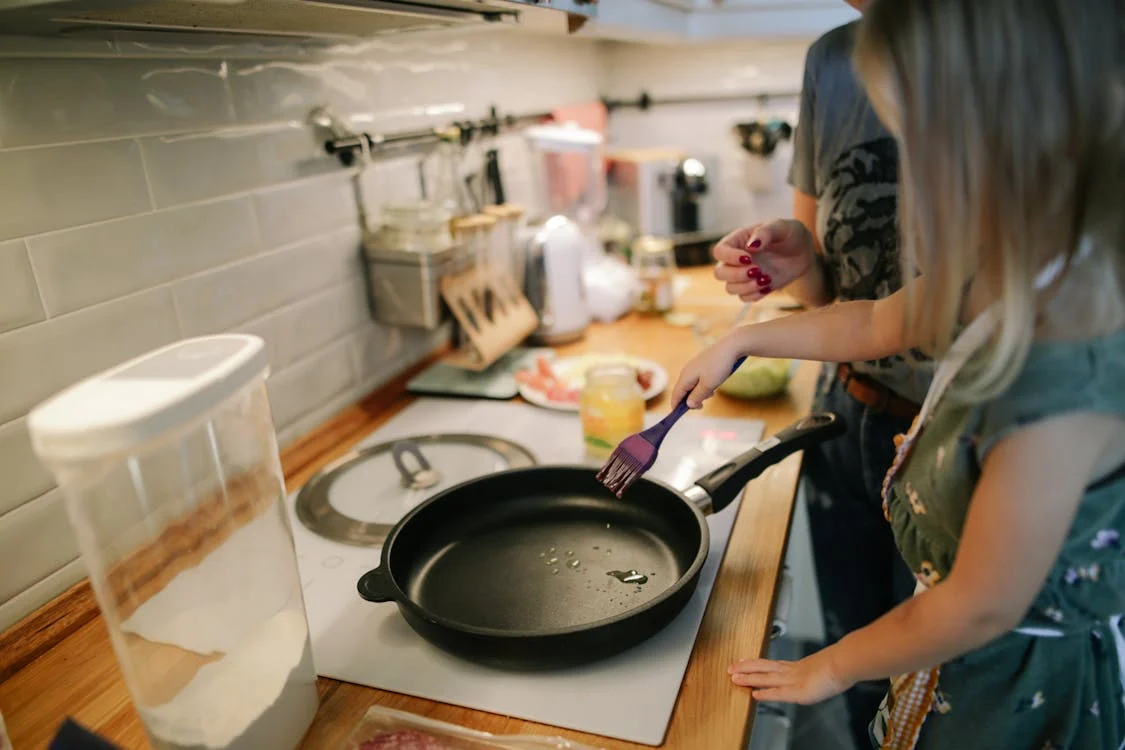
Be Careful With Old Materials Around Food Storage Areas
Older kitchens, restaurants, bakeries, and storage rooms may contain materials that require careful handling. Flooring, ceiling tiles, insulation, pipe coverings, wall panels, and adhesives can become a concern if they’re damaged, crumbling, or disturbed during repairs.
The issue is not ordinary cooking. The risk comes from dust or fibers released when older materials are scraped, sanded, broken, or pulled apart, which is why asbestos exposure in workplace settings should be handled carefully.
If repairs are happening in an older food space, keep ingredients sealed and away from the work area. When a material looks suspicious, avoid scraping or sanding it yourself and have it checked before the kitchen returns to regular use.
Think About the History of the Kitchen
The age and past use of a kitchen can tell you a lot about the space. A newer prep area in Arizona may present different concerns than an old neighborhood bakery in Pennsylvania, where older paint, insulation, pipe coverings, moisture damage, or other aging materials may have been repaired or replaced over many decades. In coastal areas such as New Jersey, storage rooms may also deal with salt air, dampness, and older mixed-use buildings that have changed purpose over time.
That same thinking applies in Illinois, where many food spaces operate inside older storefronts, basements, apartment buildings, and former commercial properties. When a serious illness is later linked to years spent in one of these environments, a Chicago asbestos exposure lawyer can help clarify which details about the building, work history, and exposure timeline are relevant.
Knowing a little about the space helps you make better storage decisions. It encourages a practical kind of caution, especially in kitchens that have been repaired, repurposed, or used by different people over the years.
Build Safer Habits Into Everyday Cooking
Food safety works best when it becomes part of your normal kitchen rhythm. Wipe shelves before restocking them, check dates before adding new groceries, and keep cleaning products away from anything edible.
If repairs are underway nearby, move food out of the area until the work is finished and the surfaces have been properly cleaned. Cover open ingredients, wash containers before putting them back, and look for dust that may have settled on shelves, lids, or prep areas.
These small routines make the kitchen feel calmer and more reliable. When food is stored well, the fridge is easier to use, the pantry stays cleaner, and cooking feels far less like a search mission.
Conclusion
A small or older kitchen can still be a safe, pleasant place to cook when storage is handled with care. Keep food safe sealed, cold ingredients organized, shelves clean, and anything edible away from dust, moisture, and repair work.
Good storage habits in a small or older kitchen protect the food and make the kitchen easier to trust. That makes everyday cooking smoother, cleaner, and much more enjoyable.