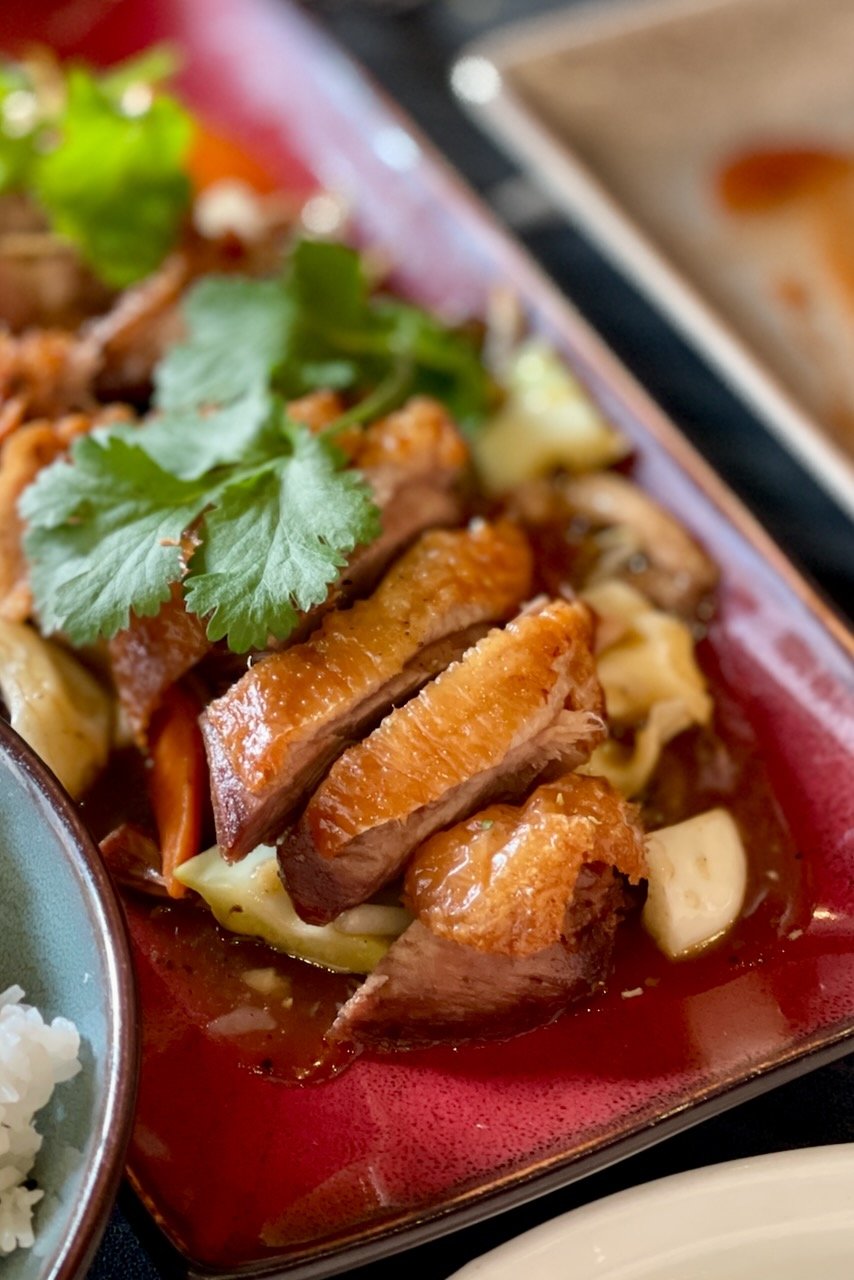
How to Cook Duck Breast
Duck breast is one of those dishes that feels restaurant-worthy yet is surprisingly easy to make at home. With its crispy golden skin and juicy, tender meat, it’s a simple way to turn an ordinary dinner into something a little more special.
The secret to great duck breast isn’t complicated. It all comes down to rendering the fat slowly, allowing the skin to crisp up beautifully while the meat stays succulent and full of flavor. Once you understand a few basic techniques, you’ll wonder why you didn’t try cooking it sooner.
If you’re wondering how to cook duck breast without drying it out or ending up with chewy skin, you’re in the right place. This simple method takes the guesswork out of the process and shows you exactly how to achieve perfectly cooked duck breast with crispy skin every time. Whether it’s your first time cooking duck or you’re looking to refine your technique, this recipe will help you get consistent, delicious results.
Enjoy!
How to Cook Duck Breast (With Crispy Skin and Juicy Meat)
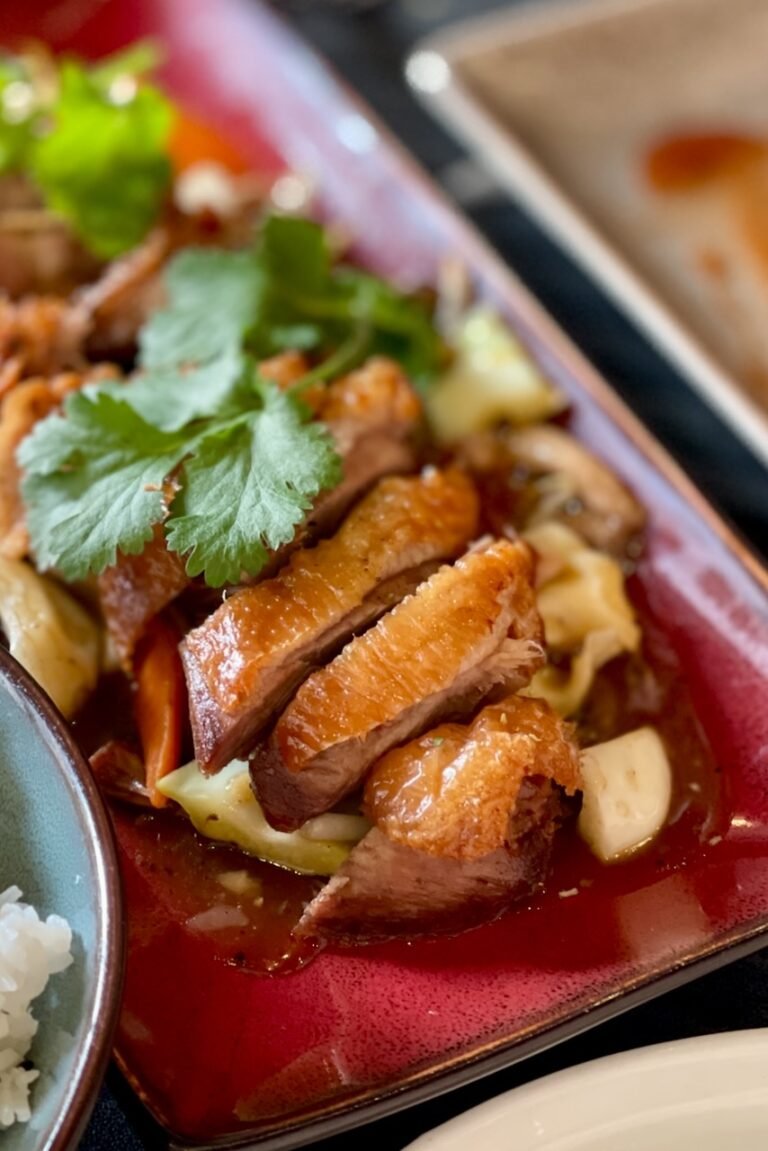
- 2 duck breasts about 6-8 oz / 170-225 g each
- 1 tsp kosher salt
- ½ tsp freshly ground black pepper
- Pat the duck breasts dry with paper towels. Using a sharp knife, score the skin in a crisscross pattern, being careful not to cut into the meat.
- Season both sides generously with salt and black pepper. Let the duck breasts sit at room temperature for 20 to 30 minutes.
- Place the duck breasts skin-side down in a cold, dry skillet. Set the heat to medium.
- Cook for 8 to 10 minutes, allowing the fat to slowly render and the skin to become deep golden brown and crispy. Carefully spoon off excess fat as needed.
- Turn the duck breasts over and cook for another 3 to 5 minutes, depending on their thickness and your preferred doneness.
- Transfer the duck breasts to a plate and let them rest for 5 to 10 minutes.
- Slice the duck breast against the grain and serve immediately.
Why Duck Breast Is Different
Duck breast is one of the most rewarding cuts of meat to cook at home. It is rich like a steak yet incredibly tender when cooked properly. The thick layer of fat beneath the skin slowly renders during cooking, creating the crisp, golden crust that makes duck breast so irresistible.
Unlike chicken, duck breast is best served medium-rare to medium. A slight blush of pink in the center helps preserve its juicy texture and full flavor.
The good news? You don’t need any special equipment or professional training. Once you understand how to render the fat and avoid overcooking the meat, perfect duck breast becomes surprisingly easy to achieve.
The Secret to Crispy Duck Skin
The key to crispy duck skin is patience.
Many people make the mistake of placing duck breast in a very hot pan. While that may work for a steak, duck needs a slower approach. Starting in a cold pan allows the fat beneath the skin to melt gradually. As the fat renders, the skin becomes thin, crisp, and beautifully golden brown.
Scoring the skin also helps. Small cuts through the skin and fat allow the fat to escape more easily, which improves both texture and appearance.
If your goal is crispy skin and juicy meat, rendering the fat properly is far more important than cooking at a high temperature.
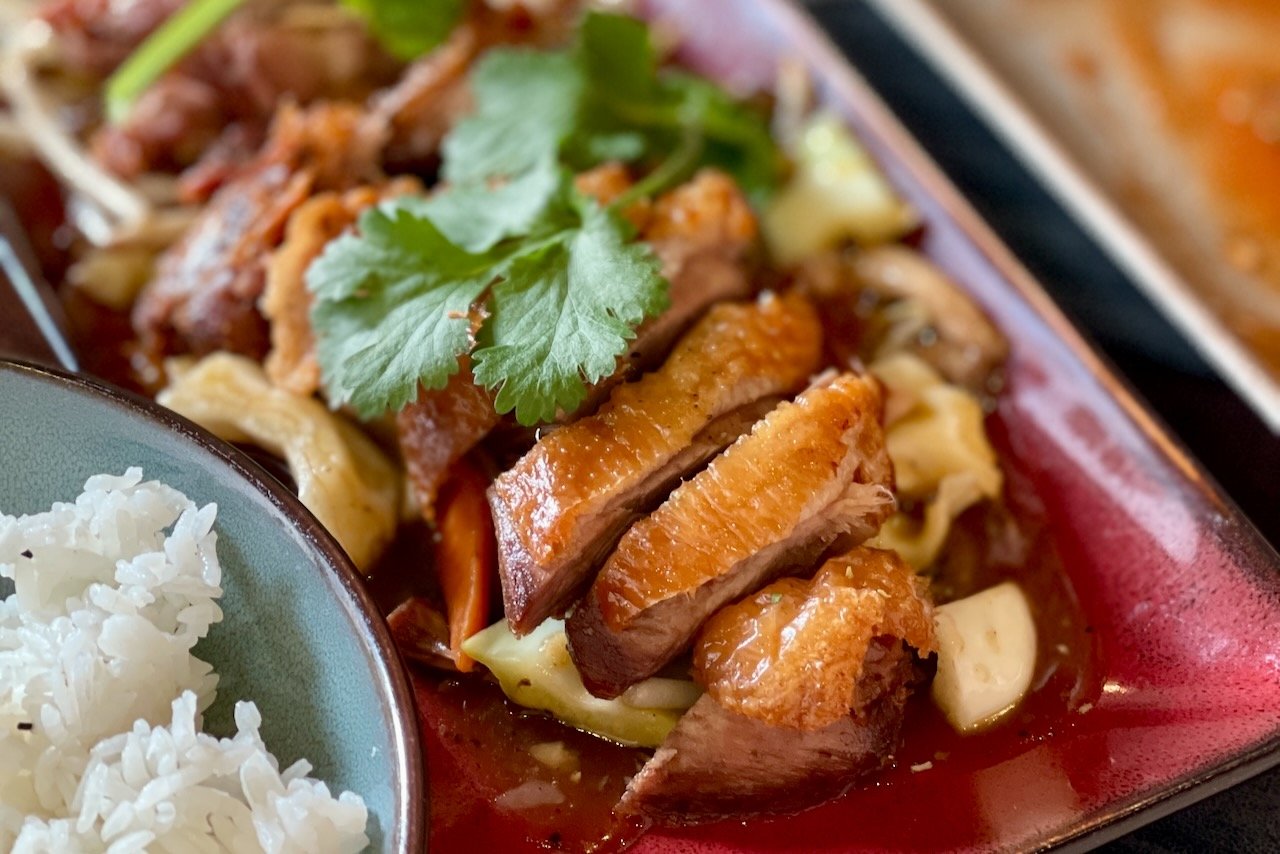
Should Duck Breast Be Pink?
Yes.
Duck breast is typically served medium-rare to medium, with a warm pink center. This keeps the meat tender and succulent while allowing the rich flavor of the duck to shine through.
Cooking duck breast until well done often results in drier meat and a less enjoyable texture.
As a general guide:
- Rare: 125°F (52°C to 54°C)
- Medium-rare: 130°F to 135°F (55°C to 57°C)
- Medium: 140°F to 145°F (60°C to 63°C)
- Well done: 160°F+ (71°C+)
For most home cooks, medium-rare is the sweet spot.
Common Duck Breast Mistakes
Starting with a Hot Pan
A hot pan can brown the skin before the fat has had time to render. The result is chewy skin instead of a crisp crust.
Skipping the Scoring
Lightly scoring the skin helps the fat render more efficiently. Just be careful not to cut into the meat.
Not Draining Excess Fat
Duck releases a surprising amount of fat while cooking. Carefully spooning or pouring off excess fat during cooking helps the skin crisp up even more.
Overcooking the Meat
Duck breast cooks quickly. Using an instant-read thermometer is the easiest way to avoid overcooking.
Slicing Too Soon
Always let duck breast rest before slicing. Resting allows the juices to redistribute throughout the meat rather than running onto the cutting board.
What to Serve with Duck Breast
Duck pairs beautifully with sweet, tart, and earthy flavors. The richness of the meat benefits from ingredients that bring freshness and balance to the plate.
For a fresh contrast to the rich meat, serve duck breast with my fennel escabeche.
Some of my favorite side dishes include:
- Roasted potatoes
- Duck fat potatoes
- Potato gratin
- Braised red cabbage
- Green beans
- Roasted carrots
- Beet salad
- Fennel salad
- Caramelized apples
- Cherry sauce
- Orange sauce
For an elegant dinner, serve sliced duck breast with crispy potatoes and a simple vegetable side. The duck is rich enough that it doesn’t need an elaborate accompaniment.
Can You Cook Duck Breast in the Oven?
Yes, although I almost always begin on the stovetop.
Searing the duck skin-side down allows the fat to render properly. Once the skin is crisp, you can transfer the duck breast to a preheated oven to finish cooking.
This method is particularly useful for very thick duck breasts, as it allows for more even cooking without risking burnt skin.
How to Store and Reheat Duck Breast
Store leftover duck breast in an airtight container in the refrigerator for up to 3 days.
To reheat, place the sliced duck in a skillet over low heat just until warmed through. Avoid microwaving if possible, as it can soften the crispy skin and overcook the meat.
Duck breast is also delicious served cold and thinly sliced in salads or sandwiches.
Frequently Asked Questions
Do I need oil to cook duck breast?
No. Duck breast contains plenty of fat beneath the skin, which renders naturally during cooking.
Why do you start duck breast in a cold pan?
Starting in a cold pan helps the fat render slowly, producing crisp skin without burning.
How do I know when duck breast is done?
The most reliable method is using an instant-read thermometer. Medium-rare duck breast should register between 130°F and 135°F (55°C to 57°C).
Can I eat duck breast medium-rare?
Duck breast is commonly served medium-rare to medium in restaurants and home kitchens. However, the USDA recommends cooking all poultry, including duck, to an internal temperature of 165°F (74°C) for food safety.
What can I do with leftover duck fat?
Save it. Strained duck fat is excellent for roasting potatoes, vegetables, and even making crispy breakfast potatoes.
Crispy Duck Breast Is Easier Than You Think
Duck breast might sound like a dish reserved for restaurant menus, but it’s actually one of the easiest and most rewarding cuts of meat to cook at home. Once you understand how to cook duck breast properly, the process becomes surprisingly straightforward.
The secret is giving the fat enough time to render and resisting the urge to rush things. Start with a cold pan, let the skin slowly turn crisp and golden, and allow the meat to rest before slicing. Those simple steps are the difference between an average duck breast and one with perfectly crispy skin and juicy, tender meat.
Master this technique once, and you’ll have a reliable way to cook duck breast that looks impressive, tastes incredible, and never fails to impress at the dinner table.