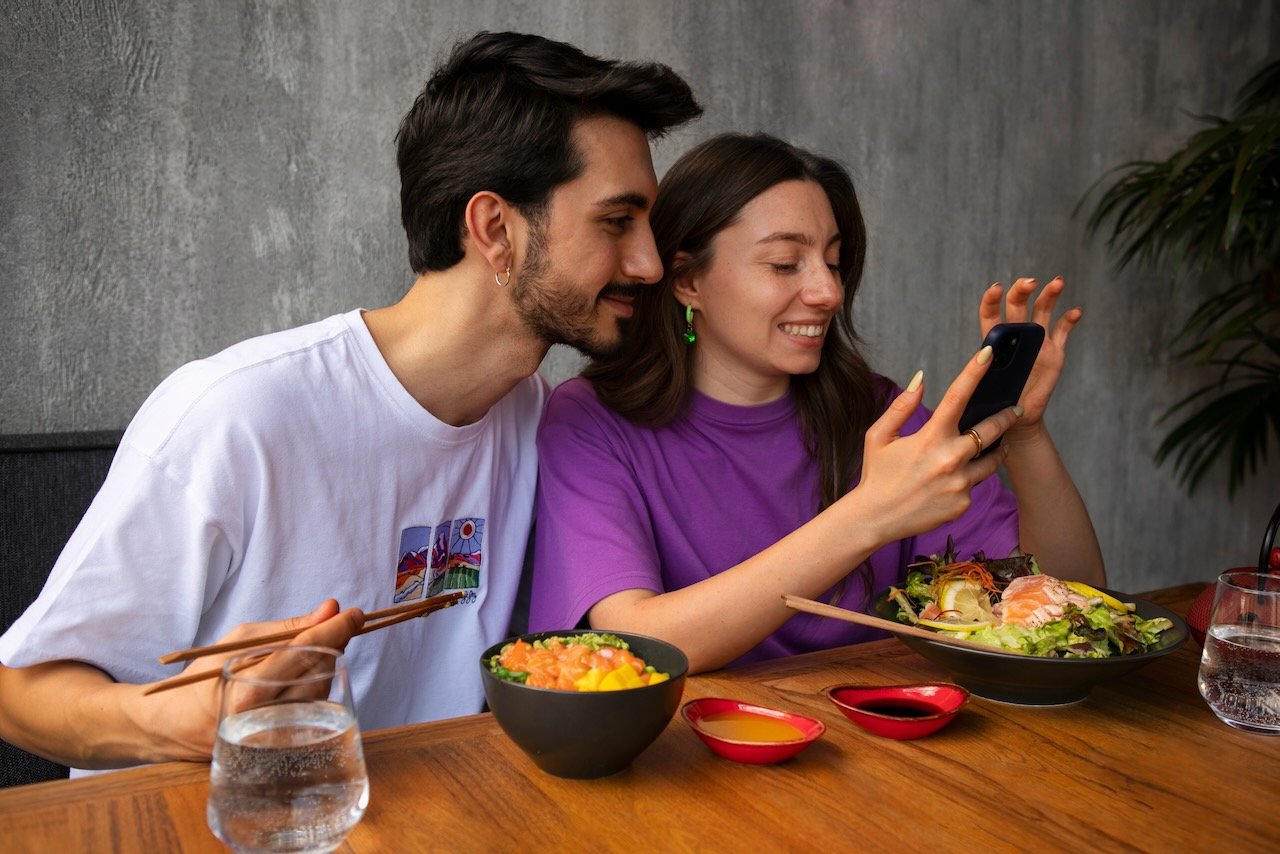
 Food used to be something you learned at home, from a parent or grandparent standing beside you at the stove. That hasn’t disappeared, but it has expanded.
Today, a home cook in Lisbon can watch someone in Bangkok fold dumplings in real time, ask a question, and get an answer within seconds. The kitchen table has grown much bigger, and it never really closes.
This shift didn’t happen overnight. It grew out of ordinary people wanting to talk about food the way they always have, just using new tools to connecting online.
What Makes a Global Food Lover Community Different
A global food lover community isn’t just a hashtag or a group chat. It’s thousands of people, spread across dozens of countries, who show up regularly to trade knowledge instead of just scrolling past it. Some are professional chefs. Many are not. What ties them together is curiosity.
These communities tend to reward specificity over polish. A blurry photo of a grandmother’s stew recipe, handwritten in the margins of an old notebook, often gets more attention than a perfectly staged food photograph. People want the story behind the dish, not just the dish itself.
Live Cooking Chat Online: Cooking Together From Miles Apart
Live cooking chat online has become one of the most popular ways for strangers to bond over a shared pot of soup. Someone starts cooking, turns on a camera, and within minutes dozens of viewers are typing questions, suggestions, and jokes into the chat window. It feels less like watching a show and more like standing in someone’s kitchen.
Others may choose to communicate through similar one-on-one chats, often through sites like Callmechat. If you explore CallMeChat’s features, the main advantage is obvious: anonymity. However, you can share cooking experiences with both your family and friends, as well as strangers, sometimes from other parts of the world.
Share Recipes Real Time and Skip the Guesswork
Written recipes leave a lot of room for confusion. Does “a pinch of salt” mean the same thing to everyone? Probably not. When people share recipes real time, they can clarify these small details on the spot instead of guessing.
A cook halfway through a recipe might ask, “Is my dough supposed to look this sticky?” and get a reply within a minute. That kind of back-and-forth turns a static set of instructions into something closer to a conversation, which tends to produce better results in the kitchen.
Stream Live Cooking Sessions From Almost Anywhere
It no longer takes a professional studio to stream live cooking sessions. A phone, decent lighting, and a stable internet connection are usually enough. This low barrier has opened the door to home cooks who would never have considered themselves content creators a few years ago.
Some sessions attract just a handful of viewers, and others draw crowds numbering in the thousands. Either way, the format encourages a kind of informal teaching that feels personal rather than rehearsed.
Discover Regional Culinary Secrets Hidden From Guidebooks
Travel guides rarely mention the small details that matter most, like which market stall sells the best version of a local dish or what time of day a bakery sells out. To discover regional culinary secrets, many travelers now turn to online food communities instead of printed guides.
One traveler might ask about a specific spice used in a regional curry, and within an hour, someone from that exact region explains not just the ingredient but the reason it’s used. That kind of insight rarely makes it into a published travel book.
Share Authentic Family Recipes Before They’re Lost
Every family has recipes that exist only in someone’s memory, never written down. Online communities have become an unexpected place to preserve them. People share authentic family recipes not for likes, but because they want the dish to survive beyond one generation.
A surprising number of these posts include a short story: who taught the recipe, what occasion it was made for, what it smells like when it’s cooking. These details make the recipe feel less like a formula and more like a piece of family history.
Get Real-Time Kitchen Advice When Something Goes Wrong
Cooking disasters rarely wait for convenient timing. A cake that won’t rise or a soup that tastes flat often needs fixing immediately, not after searching through old forum posts. This is where the ability to get real-time kitchen advice becomes genuinely useful.
Active communities usually have someone online at almost any hour, ready to suggest a fix. Add more acid. Reduce the heat. Let it rest for ten minutes. Small suggestions like these can save a dish that would otherwise be thrown out.
Connecting Online With International Foodies Without Leaving Home
Not everyone has the time or money to travel constantly, but that no longer means missing out on global food culture. People connect with international foodies daily, learning about ingredients and techniques they might never encounter locally.
According to various estimates from social platforms, food-related content ranks among the most searched and shared categories online, with millions of new posts appearing each day. That volume alone suggests just how many people are looking for this kind of connection.
Discuss Regional Dish Variations and Compare Notes
Few topics spark as much friendly debate as regional dish variations. Is a stew supposed to include beans or not? Should a certain bread be sweet or plain? These questions rarely have one correct answer, and that’s part of the fun.
Communities where people discuss regional dish variations often turn into informal history lessons. A single dish might trace back through trade routes, migration, or colonization, and someone in the group usually knows the backstory.
Swap Local Food Travel Tips Before Booking a Trip
Planning a food-focused trip used to mean relying on outdated blog posts or word of mouth. Now, travelers swap local food travel tips directly with people who live in the destination, often getting advice that’s only days old.
This might include which restaurant just changed owners, or which street vendor has the freshest produce this week. Timely information like this is hard to find anywhere else, and it often shapes an entire itinerary.
Build Global Culinary Friendships That Outlast the Trip
What starts as a simple recipe exchange often turns into something longer lasting. Many people build global culinary friendships that continue well after the original conversation ends, checking in on each other during holidays or sending photos of dishes inspired by shared tips.
Some studies on connecting online community behavior suggest that shared hobbies, especially ones involving regular interaction, are among the strongest predictors of long-term online friendships. Food, as it turns out, is one of the most effective hobbies for building that kind of bond.
A Simple Idea That Keeps Growing
None of this is complicated at its core. People are curious about food, and they enjoy sharing what they know. Technology just removed the distance that used to stand in the way.
As more people join these communities, the exchange of recipes, tips, and kitchen advice keeps getting faster and more personal. It turns out that one of the oldest human activities, cooking and eating together, still works just fine when the table happens to be digital.