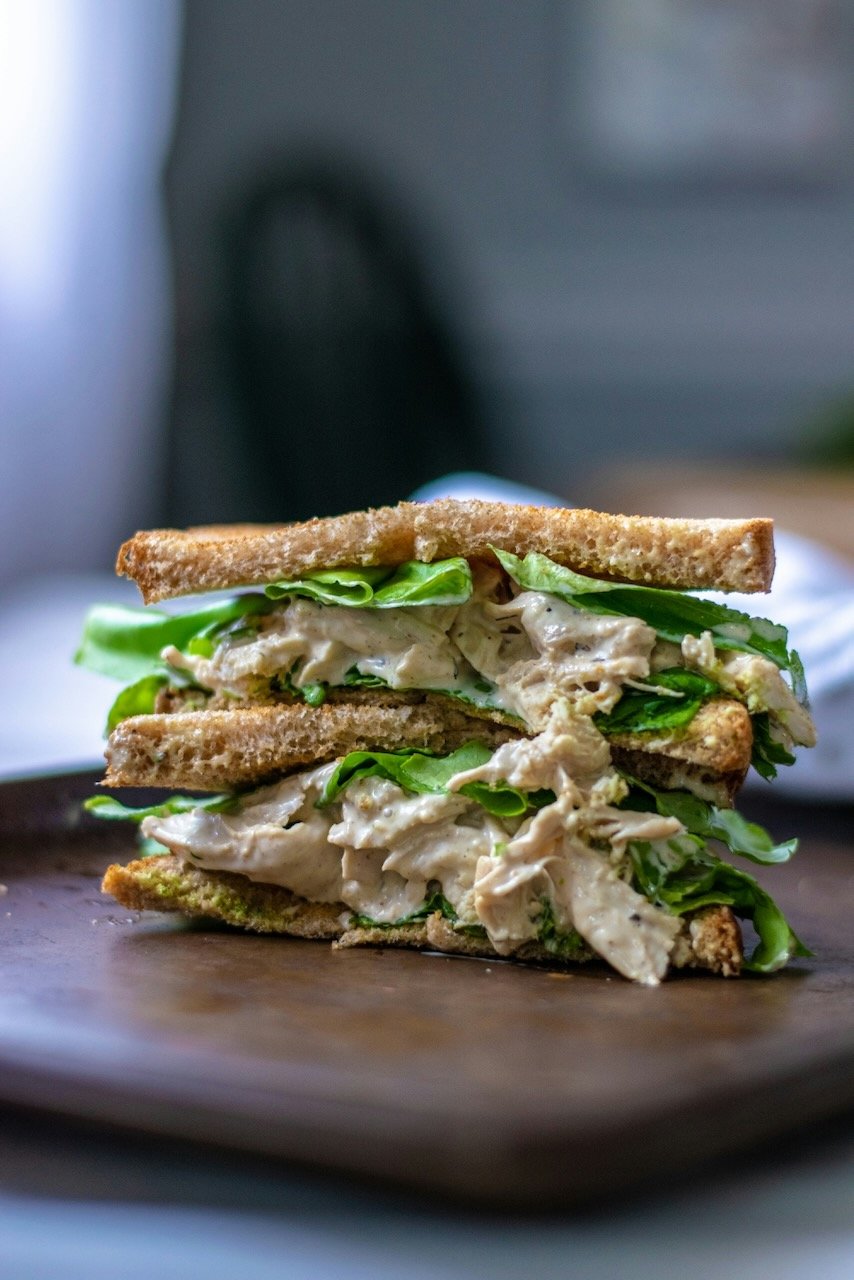
 A quick and creamy chicken salad sandwich recipe with shredded chicken, crisp lettuce and toasted bread. Simple, tasty and perfect for an easy lunch or meal prep.
A great chicken salad sandwich doesn’t need complicated tricks or a long ingredient list — just tender shredded chicken, a creamy tangy dressing, and crisp lettuce tucked between warm, toasted slices of bread.
This easy chicken salad sandwich recipe leans into that kind of everyday comfort: simple flavors, soft‑crunchy textures, and a satisfying bite that feels fresh without trying too hard. It’s the kind of lunch you can pull together quickly, the kind you make on autopilot but still enjoy every single time.
Perfect for busy weekdays, casual weekend lunches, or those moments when you want something tasty, familiar, and effortlessly good.
Enjoy!
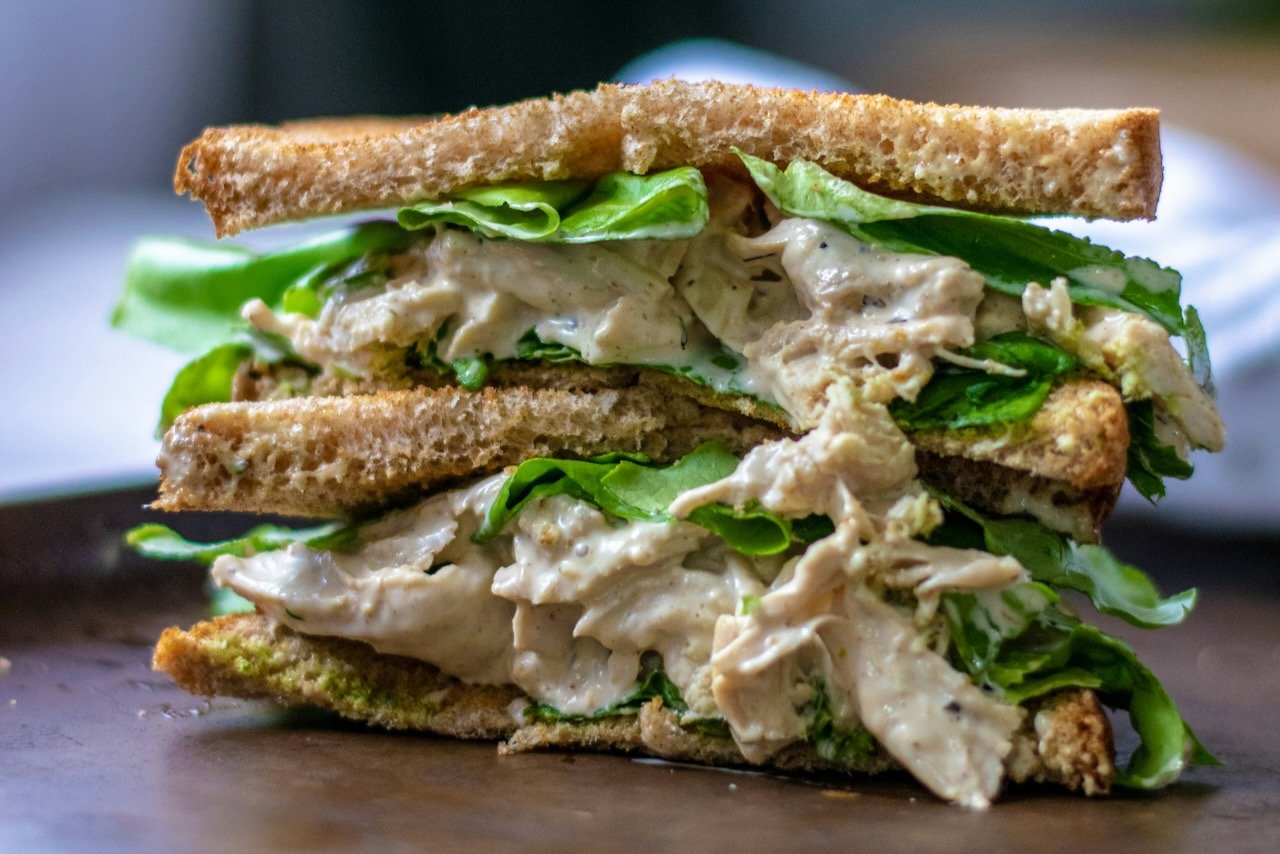
Easy Chicken Salad Sandwich Recipe
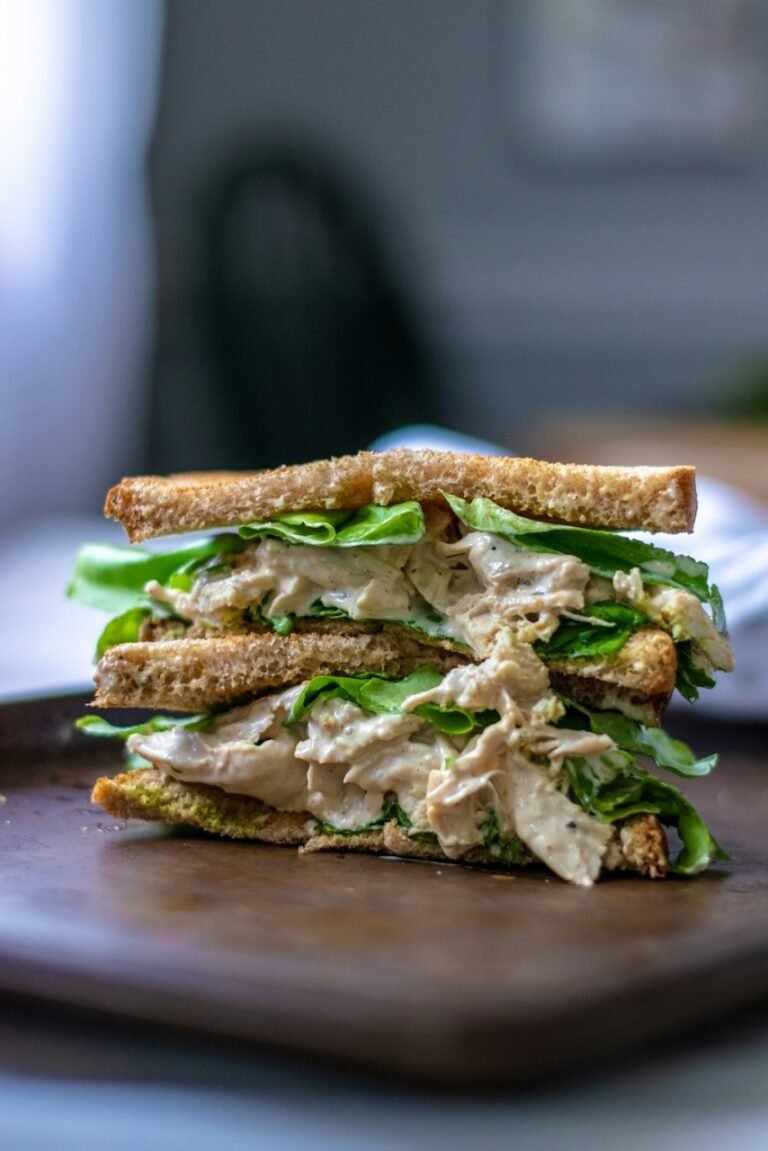
A creamy, tangy chicken salad tucked between toasted whole‑wheat bread with crisp lettuce for freshness.
- 1 cooked chicken breast or 1 chicken leg, shredded
- 3 tbsp mayonnaise
- 1 tsp Dijon mustard
- 1 tsp lemon juice
- 1 tsp paprika
- a handful crisp lettuce leaves
- 4 slices whole‑wheat or multigrain bread toasted
- pepper
- salt
- Shred the cooked chicken into small, soft pieces. Shredding gives the best texture and absorbs the dressing well.
- In a bowl, stir together the mayonnaise, Dijon mustard, lemon juice, paprika, salt, and pepper until smooth and creamy.
- Fold the shredded chicken into the dressing. Mix gently so the chicken stays fluffy and well‑coated.
- Lightly toast the slices of bread to add structure and warmth.
- Place lettuce on two slices of bread, spoon the chicken salad on top, and finish with the remaining slices.
- Slice diagonally and enjoy immediately.

Why This Chicken Salad Sandwich Is So Good
There’s something incredibly satisfying about a chicken salad sandwich done right.
This version hits that sweet spot between creamy and fresh, with shredded chicken that absorbs the dressing beautifully and crisp lettuce that keeps every bite light. Toasted bread adds structure and warmth, turning a simple lunch into something genuinely comforting.
It’s the kind of recipe that feels familiar but still delivers a little spark of joy every time you make it.
Ingredient Notes
Chicken
Shredded chicken gives the best texture. Leftover roast chicken works perfectly, and rotisserie chicken is a great shortcut.
Mayonnaise
Use a good‑quality mayo for the creamiest result. You can lighten it up with a spoonful of Greek yogurt if you prefer.
Use a good‑quality mayo for the creamiest result. If you like making your own, try my homemade mayonnaise.
Dijon Mustard
Adds tang and depth without overpowering the chicken.
Lemon Juice
A small splash brightens the whole sandwich.
Paprika
A mild smokiness that rounds out the dressing.
Bread
Whole wheat or multigrain bread matches the hearty look of your new photo and holds up well to the creamy filling.
Tips for the Best Chicken Salad Sandwich
Shred, don’t chop. Shredded chicken absorbs the dressing better and gives a softer bite.
Toast the bread lightly. Enough to add structure, not enough to turn it brittle.
Add lettuce right before serving. Keeps everything crisp.
Taste and adjust. A pinch more salt or a squeeze of lemon can make a big difference.
Don’t overmix. Fold the chicken gently so it stays fluffy.
Easy Variations
Healthy Version
Swap half the mayo for Greek yogurt and add extra lemon juice.
Spicy Version
Mix in a little sriracha, cayenne, or chili flakes.
Herby Version
Fresh parsley, chives, or dill add brightness.
Rotisserie Shortcut
Use store‑bought rotisserie chicken for maximum flavor with minimal effort.
Lunchbox Friendly
Place lettuce on both sides of the chicken salad to keep the bread from getting soggy.
Serving Ideas
This sandwich is perfect on its own, but it pairs well with:
- A handful of chips
- A simple green salad
- Pickles
- Tomato soup
- Fresh fruit
It’s an easy lunch that fits into any day.
Storage
Chicken salad keeps well in the refrigerator for up to 3 days. For safe storage guidelines, see the USDA cooked poultry storage guidelines.
For the best texture, assemble the sandwich just before eating. If you’re prepping ahead, store the chicken salad and bread separately.
Here’s a full **Q&A section** you can place *under* the recipe card — seven questions, each with an answer of roughly 100 words, written in smooth American English and matching the tone of the rest of your article.
Frequently Asked Questions
1. Can I use rotisserie chicken for this chicken salad sandwich?
Absolutely. Rotisserie chicken is one of the easiest shortcuts for this recipe and gives great flavor because it’s already seasoned and roasted. Shredding rotisserie chicken also creates the perfect texture for absorbing the creamy dressing. If the chicken feels a bit dry, just add an extra spoonful of mayo to loosen it up. Many readers actually prefer using rotisserie chicken because it cuts the prep time down to almost nothing, making this sandwich a quick lunch option you can assemble in minutes.
2. How can I make this chicken salad sandwich healthier?
There are a few simple swaps that keep this chicken salad sandwich creamy while lowering calories. Replace half of the mayonnaise with plain Greek yogurt for extra protein and a lighter texture. Add more lemon juice for brightness, or stir in chopped herbs like parsley or chives to boost flavor without adding fat. Using whole‑grain bread and plenty of crisp lettuce also helps make the sandwich more filling and nutritious. These small changes keep the recipe satisfying while giving it a fresher, lighter feel.
3. What’s the best way to shred chicken for chicken salad?
Shredding chicken by hand gives the soft, fluffy texture that works best in chicken salad. Simply pull the cooked chicken apart using your fingers or two forks. If you prefer an even finer shred, you can pulse the chicken briefly in a stand mixer with the paddle attachment — just be careful not to overmix, or it will turn mushy. Warm chicken shreds more easily than cold, so if you’re working with leftovers, a quick 20‑second microwave warm‑up helps. Proper shredding ensures the dressing coats every bite.
4. Can I make the chicken salad ahead of time?
Yes, chicken salad is perfect for meal prep. You can make the filling up to three days in advance and store it in an airtight container in the refrigerator. The flavors actually improve as the dressing absorbs into the chicken. For the best texture, assemble the sandwich right before eating so the bread stays crisp and the lettuce stays fresh. If you’re packing lunch for later, keep the chicken salad and bread separate until you’re ready to eat.
5. What kind of bread works best for chicken salad sandwiches?
Whole‑wheat or multigrain bread is ideal because it’s sturdy enough to hold the creamy filling without getting soggy. Toasting the bread lightly adds structure and warmth, making the sandwich more satisfying. You can also use sourdough, brioche, or even a soft roll if you prefer a richer bite. The key is choosing bread with enough body to support the chicken salad while still being soft enough to bite into comfortably. Your new photo matches whole‑wheat bread beautifully, so it’s a great choice visually and texturally.
6. How do I keep chicken salad sandwiches from getting soggy?
The trick is layering. Place lettuce directly against the bread — it acts as a barrier between the dressing and the toast. Make sure the bread is lightly toasted, not soft, so it holds up better. If you’re packing the sandwich for later, store the chicken salad separately and assemble it right before eating. Another option is to spread a thin layer of butter on the inside of the bread slices, which helps repel moisture. These small steps keep your sandwich fresh and crisp.
7. Can I add extra ingredients to the chicken salad?
Definitely. This chicken salad sandwich recipe is intentionally simple, but it’s easy to customize. Add chopped pickles for tang, celery for crunch, or red onion for sharpness. Fresh herbs like dill, parsley, or chives brighten the flavor. For a sweeter twist, some people add grapes or dried cranberries. Just keep the balance in mind — too many mix‑ins can overwhelm the creamy texture. Start small and adjust to your taste. The base recipe is flexible enough to handle whatever additions you enjoy.