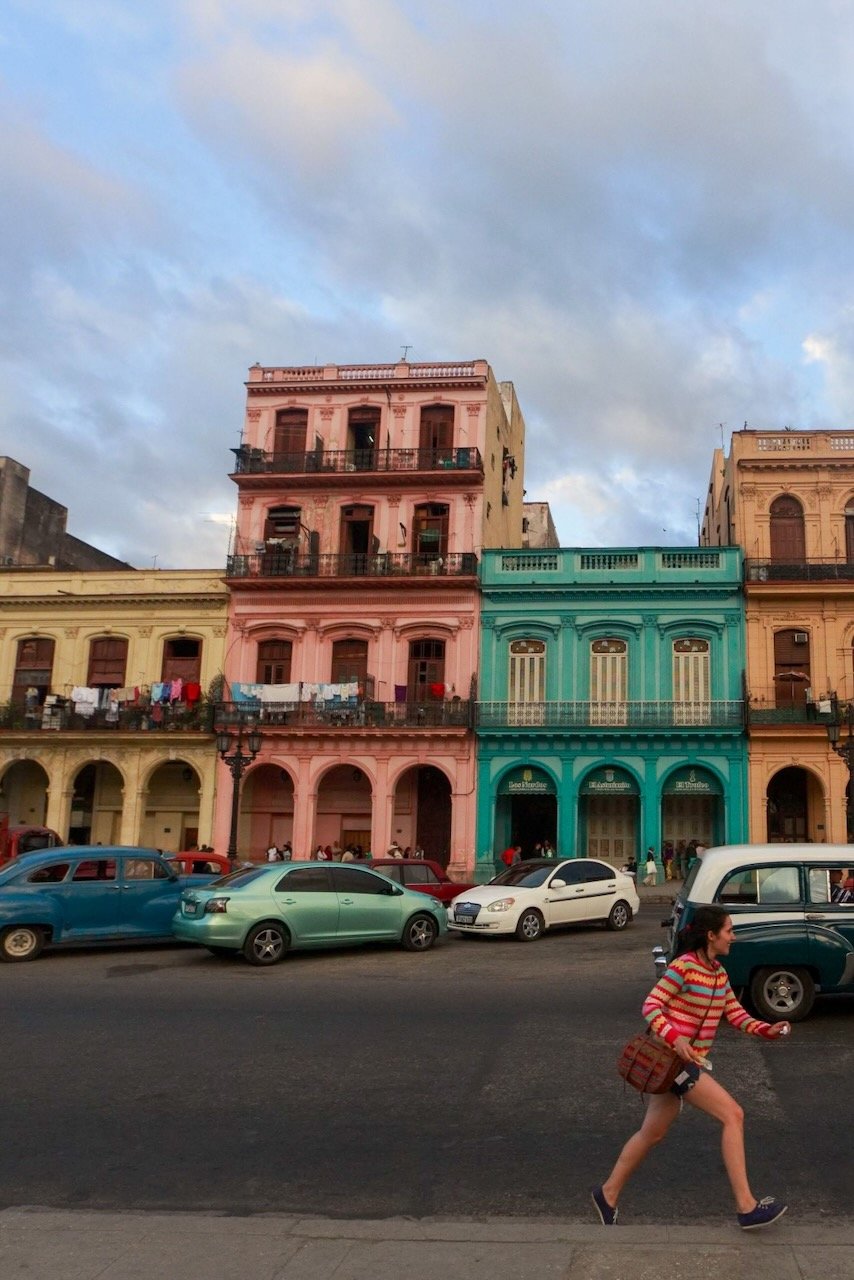
Travel does not always have to involve rushing between famous landmarks, squeezing five cities into a week, or returning home exhausted after trying to see everything.
Increasingly, travellers are discovering the appeal of slow travel, a more relaxed approach that prioritises meaningful experiences over the number of places visited.
Instead of following a packed itinerary, slow travellers spend more time in one destination. They explore neighbourhoods on foot, eat at local restaurants, learn about regional traditions, and allow themselves the freedom to discover places that might never appear in a conventional travel guide. The result can be a richer experience, often with less pressure on both time and money.
Experiencing a Destination Beyond the Tourist Attractions
One of the biggest advantages of slow travel is the opportunity to see how a destination feels beyond its most popular attractions. Famous landmarks are worth visiting, but they rarely tell the whole story of a place.
Staying in one town for several days, or even a few weeks, gives travellers time to discover local markets, independent cafés, quiet parks, and small businesses that are easy to overlook during a short visit. A conversation with a shopkeeper or an afternoon spent watching everyday life unfold can become just as memorable as visiting a major attraction.
This approach also encourages travellers to be more flexible. Rather than moving on because the itinerary says so, they can stay longer somewhere they enjoy or change their plans after receiving a recommendation from a local resident.
Making Travel Budgets Go Further
Slow travel can be an appealing option for people who want to experience more without constantly spending money on transport, accommodation changes, and organised excursions.
Frequent travel between destinations can add up quickly. Train tickets, domestic flights, luggage fees, airport transfers, and last-minute hotel bookings all take a share of the budget. Staying in one place for longer may reduce some of these costs, particularly when accommodation providers offer weekly or monthly rates.
Travellers can also shop at local markets, prepare some of their own meals, and choose free activities such as walking tours, public gardens, and community events. These choices do not mean sacrificing enjoyment. In many cases, they create opportunities to experience a destination more naturally.
It is still worth planning for everyday expenses before departure. Researching transport options, estimating meal costs, and understanding local payment methods can prevent unnecessary stress. Anyone visiting Cuba, for example, should research the currency in Cuba before travelling, including the Cuban peso, available exchange facilities, and payment options. Cash access and card acceptance can be limited, so checking current guidance and arranging suitable backup funds before arrival is particularly useful.
Building a Stronger Connection With Local Culture
There is a difference between seeing a place and getting to know it. Slow travel creates more opportunities for the latter.
Spending extra time in a destination allows visitors to understand local customs, sample regional dishes, and participate in cultural activities at a comfortable pace. They might attend a cooking class, visit a small museum, learn a few phrases in the local language, or join a neighbourhood festival.
Food is often one of the easiest ways to begin. Instead of eating at familiar international chains, travellers can ask residents where they go for breakfast or which seasonal dishes are worth trying. These small decisions can lead to experiences that feel more personal than following a standard tourist itinerary.
Taking time to understand local expectations also encourages more responsible travel. Visitors can learn about appropriate behaviour at religious sites, respect photography restrictions, and support independent businesses where possible.
Reducing Travel Stress and Enjoying the Moment
A tightly packed itinerary can turn a holiday into another demanding schedule. There is always another attraction to reach, another train to catch, or another reservation to keep.
Slow travel offers a different rhythm. Leaving gaps between activities creates room for unexpected discoveries and gives travellers time to rest. It also makes it easier to appreciate the surroundings instead of constantly checking the time.
Imagine spending an entire afternoon in a coastal village. Rather than rushing through the harbour, taking photographs, and immediately leaving, you could enjoy a long lunch, walk along the waterfront, and watch the sunset. The experience may involve fewer activities, but it can leave a stronger impression.
This relaxed pace can be particularly valuable for families, couples, remote workers, and anyone returning from a demanding period at work. A successful trip does not need to be measured by how many attractions appear in a photo album.
Choosing More Sustainable Ways to Travel
Slow travel can also encourage more thoughtful decisions about the environmental and social effects of tourism.
When travellers stay longer in one destination, they may need fewer flights or long-distance transfers during their trip. Walking, cycling, and using public transport can further reduce reliance on private vehicles, depending on local infrastructure and accessibility.
Longer stays may also give visitors more opportunities to support locally owned accommodation, restaurants, guides, and shops. Spending money with smaller businesses can help tourism income reach the communities that make a destination distinctive.
Of course, slow travel is not automatically sustainable. Accommodation, air travel, and resource consumption still have environmental costs. However, making deliberate choices about transport, spending, and local experiences can help travellers reduce their impact while enjoying a deeper connection with the places they visit.
Planning a Slow Travel Adventure
Trying slow travel does not require taking several months off work or booking an expensive extended holiday. Even a long weekend can offer a different experience when approached with a little more flexibility.
Start by choosing one destination rather than trying to visit several places in quick succession. Look for accommodation close to the areas you want to explore, research public transport, and identify a few activities that genuinely interest you.
Then leave some time unplanned. You might discover a walking trail, stumble across a local food market, or receive a recommendation that changes your plans entirely. These moments often become the highlights of a trip precisely because they were not scheduled.
It is also sensible to prepare a realistic budget, check travel documents, understand local payment requirements, and keep emergency funds available. A little preparation makes it easier to relax once the journey begins.
Discover More by Slowing Down
Slow travel reflects a simple idea: meaningful experiences matter more than ticking destinations off a list. By staying longer, exploring local neighbourhoods, and allowing room for spontaneous discoveries, travellers can develop a stronger appreciation of the places they visit.
It can also make holidays feel less rushed, encourage more thoughtful spending, and create opportunities to connect with local communities.
The next time you plan a trip, consider doing less but experiencing it more fully. You may find that the most memorable parts of travelling happen when you finally stop rushing.