 Balancing classes, part-time jobs, and a social life often leaves little time for cooking. Still, eating well doesn’t have to be expensive, complicated, or time-consuming.
With a few simple ingredients and basic kitchen tools, it’s possible to prepare meals that are both nutritious and satisfying. This guide covers seven quick and healthy meals that are perfect for busy university student life in the U.S., helping you stay energized, focused, and on budget.
Food for Better Brain Function
Eating the right foods plays a major role in supporting memory, concentration, and overall cognitive performance. Nutrient-dense options like salmon, walnuts, blueberries, and leafy greens provide essential vitamins, antioxidants, and omega-3 fatty acids that help the brain function efficiently. Whole grains supply steady energy, preventing crashes during long lectures or study sessions, while proper hydration keeps mental fatigue at bay. Building meals around these ingredients can improve focus and productivity over time.
However, maintaining a perfectly balanced diet isn’t always enough – especially during high-pressure periods like midterms or finals. Stress, lack of sleep, and heavy workloads can make it difficult to stay on top of everything, even with healthy habits in place. In such situations, many begin looking for additional academic support and may ask themselves, “Can I pay for research paper help?” This often leads them to professional service PapersOwl, which connects users with experienced writers who can assist with complex assignments.
1. Avocado Toast with Eggs
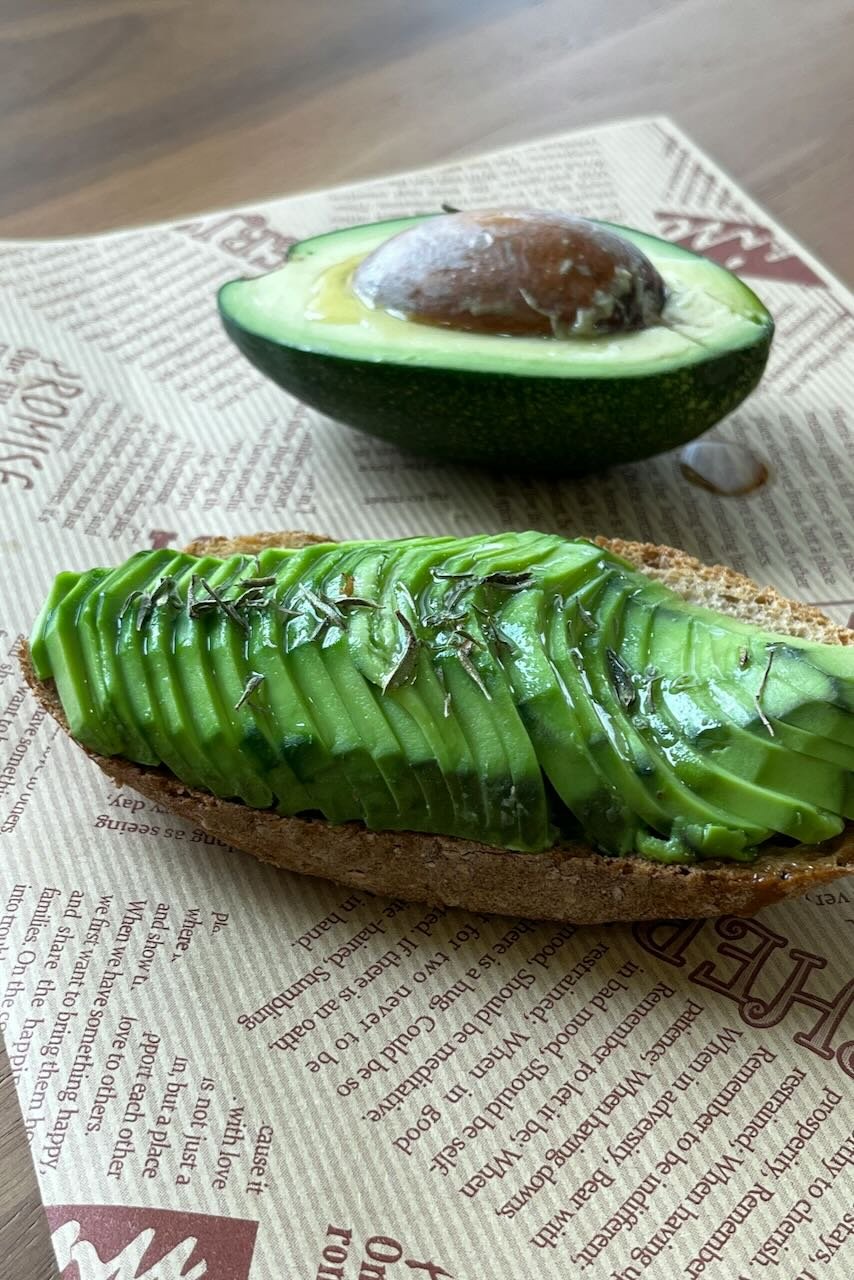
Avocado toast has become a staple for a reason – it’s quick, affordable, and packed with nutrients. Start with whole-grain bread, mash half an avocado on top, and add a fried or boiled egg. Sprinkle with salt, pepper, and chili flakes for extra flavor.
This meal provides healthy fats, protein, and fiber, keeping you full for hours. It’s perfect for breakfast, but also works as a light lunch or dinner when time is tight.
2. Chicken and Rice Bowl
A chicken and rice bowl is a classic meal that’s easy to customize. Use pre-cooked or rotisserie chicken to save time, combine it with microwaveable brown rice, and add vegetables like broccoli, spinach, or bell peppers.
Drizzle with a simple sauce like soy sauce, teriyaki, or even a squeeze of lemon. This dish delivers a balanced mix of protein, carbs, and vitamins, making it ideal for maintaining energy throughout long study sessions.
3. Greek Yogurt Parfait
For a no-cook option, a Greek yogurt parfait is a go-to. Layer plain or vanilla Greek yogurt with granola and fresh or frozen fruit. Add a drizzle of honey or peanut butter for extra flavor.
Greek yogurt is high in protein and probiotics, which support digestion. This meal works well as breakfast, a snack, or even a quick dessert that doesn’t sacrifice nutrition.
4. Veggie Stir-Fry
A veggie stir-fry is one of the fastest ways to use up leftover vegetables. Heat a pan, add a bit of oil, toss in vegetables like carrots, zucchini, and snap peas, and cook for 5–7 minutes. Add tofu, shrimp, or chicken for protein.
Serve over rice or noodles and finish with soy sauce or a simple garlic sauce. It’s a flexible dish that helps reduce food waste while delivering essential nutrients.
5. Turkey and Cheese Wrap
When you’re in a rush, wraps are incredibly convenient. Use a whole wheat tortilla, add sliced turkey, cheese, lettuce, and tomato, then spread a little mustard or hummus.
Wraps are portable, making them perfect for busy days when you’re heading between classes. They’re also easy to prepare in advance and store in the fridge.
6. Pasta with Spinach and Garlic
Pasta doesn’t have to be unhealthy. Cook whole-grain pasta and toss it with sautéed garlic, olive oil, and fresh spinach. Add parmesan cheese or grilled chicken for extra flavor and protein.
This dish comes together in under 20 minutes and offers a good balance of carbs and nutrients. It’s comforting, affordable, and easy to make in larger portions for leftovers.
7. Smoothie Bowl
A smoothie bowl is a refreshing and nutrient-packed option. Blend frozen fruits like bananas and berries with milk or a dairy-free alternative. Pour into a bowl and top with granola, seeds, or sliced fruit.
This meal is especially great during warmer months or after workouts. It’s rich in vitamins, antioxidants, and natural sugars that provide a quick energy boost.
Tips for Eating Healthy on a Budget
Eating healthy doesn’t mean spending more. Buying in bulk, choosing store brands, and opting for frozen fruits and vegetables can significantly reduce costs. Meal prepping at the start of the week can also save both time and money, preventing last-minute takeout decisions.
Simple planning goes a long way. Keeping a few staple ingredients – like rice, pasta, eggs, and canned beans – on hand makes it easier to prepare quick meals without extra grocery trips.
Final Thoughts
Maintaining a healthy diet during university years is more achievable than it may seem. With simple recipes and a bit of planning, you can prepare meals that support both your physical health and academic success. These seven options are designed to fit into a busy schedule while providing the nutrients needed to stay energized and focused.
By making smarter food choices and keeping meals simple, you can build habits that benefit you long after graduation.