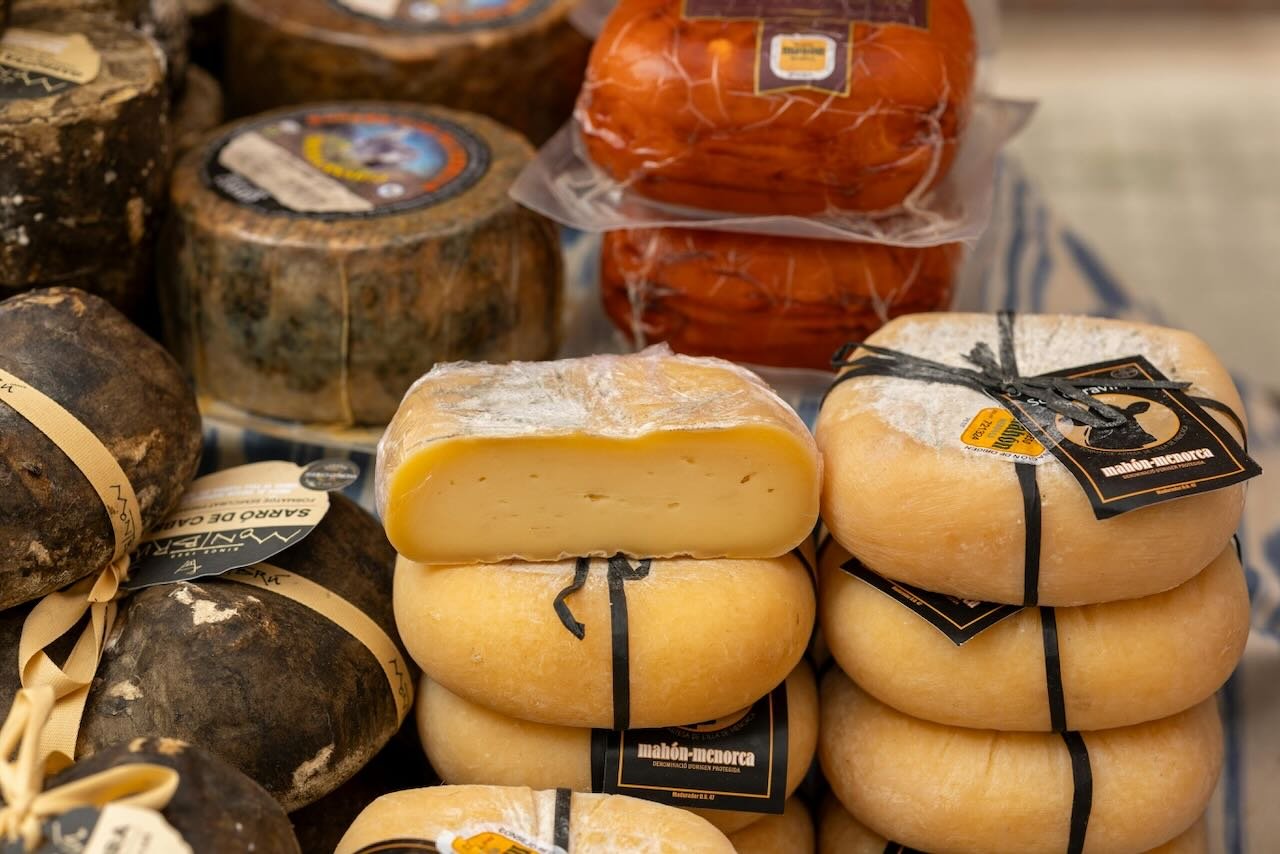
 Want your artisan cheese to last weeks instead of days? In return for a little time and planning up front, that wedge of artisan cheese will provide you with weeks of phenomenal flavor.
The average person unknowingly wastes perfectly good cheese each and every week. Artisan cheese can be expensive… and it’s maddening to watch it dry out, mold, or become “off” after only a few days.
Here’s the good news:
Keeping artisan cheese fresh is much simpler than you might realize. If you follow these simple steps, you can:
- Extend the life of your cheese by weeks
- Preserve its rich flavor and texture
- Stop wasting money on spoiled wedges
Say goodbye to moldy cheese: Learn how to properly store artisan cheese to keep it fresh and flavorful whenever the craving strikes.
Here’s what you’ll discover:
- Why Artisan Cheese Needs Special Storage
- The Right Way to Wrap Artisan Cheese
- Best Storage Temperatures for Different Cheese Types
- How to Tell When Your Cheese Has Gone Bad
- Pro Tips to Make Your Cheese Last Longer
Why Artisan Cheese Needs Special Storage
Artisan cheese is alive.
Yep, it’s alive. Supermarket cheese? Dead. Artisan cheese? Full of live cultures. These cultures continue to evolve after it leaves the creamery. That’s what creates such amazing complexity of flavor… but it also explains why how you store it is so important.
Interest in and demand for specialty and artisan cheese is exploding, reaching over $6 billion in sales in 2023. More households are purchasing artisanal varieties like family farm cheese and small batch cheeses to serve with charcuterie boards, homemade bread, and gourmet snack trays at home.
The issue? Many treat sliced cheddar the same way you would treat a soft brie. It just doesn’t pan out.
Artisan cheese needs to:
- Breathe — it’s a living product
- Stay at a consistent temperature
- Avoid contact with strong-smelling foods
- Keep just the right amount of moisture
Miss one of these and your cheese will go bad in days. Get them all correct and you’ll wonder at its longevity.
Pretty cool, right?
The Right Way to Wrap Artisan Cheese
Plastic wrap is the enemy.
Wrapping artisan cheese in plastic wrap is the number one mistake most people make. It traps moisture against the cheese, suffocates it, and creates an unpleasant plasticy flavor.
Here’s the better way:
Use cheese paper. Cheese paper has two layers; one waxy layer that contacts the cheese and an outer paper layer that allows it to breathe. They sell a roll for just a few dollars and it will last forever.
No cheese paper handy? Here’s a simple trick that works:
- Wrap the cheese in parchment paper or wax paper first
- Then loosely wrap it in foil
- Re-wrap with fresh paper every time you use the cheese
It allows the cheese some airflow while still protecting it from dry refrigerator air. It also prevents the flavors from seeping into everything else in your fridge.
Tip: Don’t pre-cut your cheese into tiny pieces. The more surface area cheese is exposed to air, the quicker it will dry out. Slice off only what you will need.
Best Storage Temperatures for Different Cheese Types
Not all cheeses are created equal…
Artisan cheeses each grow at their optimal temperatures. Here’s a rundown by style:
Hard cheeses (Parmesan, aged cheddar, Gruyère):
Store at 35-45°F
Can last 4-6 weeks when wrapped properly
Less moisture means slower spoilage
Semi-hard cheeses (Gouda, Manchego, Edam):
Store at 40-45°F
Will last 2-3 weeks when stored correctly
Perfect for everyday snacking
Soft cheeses (Brie, Camembert, Goat cheese):
Store at 40-45°F
Best consumed within 1-2 weeks
Higher moisture content means faster spoilage
Blue cheeses (Roquefort, Stilton, Gorgonzola):
Store at 40-45°F
Keep separate from other cheeses (the mold can spread)
Last 3-4 weeks when sealed properly
The best place is in the cheese drawer of your fridge. It’s a little warmer and more humid than the main part, which is what artisan cheese enjoys.
How to Tell When Your Cheese Has Gone Bad
It’s important to know when to throw away cheese as well as how to store it.
Cheese and other dairy make up around 15% of household food waste. A lot of that is due to tossing cheese that is still edible (or eating cheese that has gone bad).
Here are the warning signs to watch for:
- Sour or ammonia-like smell — a strong indicator the cheese has spoiled
- Slimy texture on hard cheeses
- Fuzzy mold of unusual colors (pink, black, or grey)
- Dried out edges that have turned dark and hard
FYI — if you find a little mold on cheddar or Parmesan (or other hard cheese), cut about an inch around and below the moldy spot. The rest is OK to eat.
However, when it comes to soft cheeses like brie or ricotta, if mold forms, dispose of the entire thing. Mold roots can grow through soft cheese quickly and become dangerous.
Pro Tips to Make Your Cheese Last Longer
Want to really stretch the life of your artisan cheese? Try these pro tips…
Bring It to Room Temperature Before Eating
There are two reasons for this. First, it tastes way better if your cheese isn’t freezing cold. Secondly, repeatedly opening and closing your refrigerator for the cheese is way harder on it than just removing what you need.
Use a Cheese Vault or Container
Ideally, you want a basic plastic bin with some small holes drilled in it. It traps humidity, yet lets air flow. You can purchase specialty cheese vaults. But an upcycled Tupperware works just fine.
Store Cheese Away From Other Foods
Cheese absorbs smells like a sponge. Keep it away from:
- Onions and garlic
- Smoked meats
- Strong herbs
- Anything with a powerful aroma
Buy Smaller, More Often
It sounds simple but it really helps. Instead of purchasing a large chunk of cheese that will take weeks to devour… buy more frequently. Your cheese will always be at its peak.
The Bottom Line
Tips to properly store artisan cheese are easy to follow. Once you learn these guidelines you’ll save money, limit food waste, and enjoy your cheese the freshest way possible.
To quickly recap:
- Ditch the plastic wrap — use cheese paper or parchment
- Match the storage temperature to the cheese type
- Keep cheese away from strong-smelling foods
- Bring cheese to room temperature before serving
- Trust your senses to spot spoilage
It’s true, proper storage of cheese requires minimal effort on your part. In return for just a little time and planning up front, that half pound wedge of artisan goodness will provide you with weeks of phenomenal flavor. Add some fresh baked goodies, a bottle of wine, and good friends…pretty fantastic.