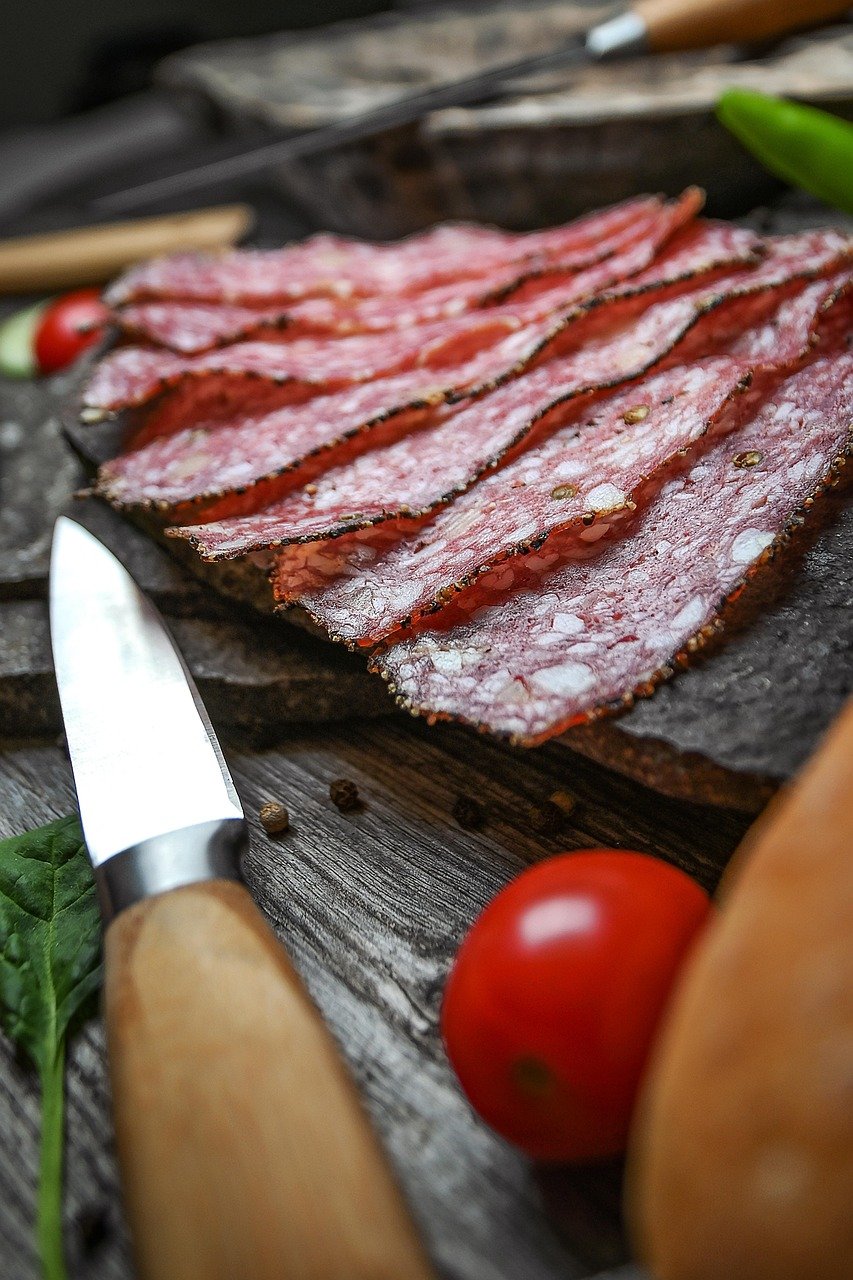
 French cuisine has long been admired for its depth, history, and attention to craft. While fine
dining and pastries often dominate the spotlight, some of the most meaningful expressions of
French food culture come from simpler, time-honored traditions.
Among these, French charcuterie stands out as both an art and a philosophy, representing a way of preserving, preparing, and enjoying food that values patience, technique, and respect for ingredients.
Understanding the Roots of French Charcuterie
Charcuterie originated as a practical necessity. Before refrigeration, preserving meat was
essential for survival. Over generations, these preservation techniques evolved into refined
culinary practices. Curing, smoking, slow-cooking, and seasoning were not just functional
methods, but creative expressions shaped by region, climate, and available resources.
What makes charcuterie unique is its balance between simplicity and complexity. Basic
ingredients such as pork, salt, herbs, and time are transformed into deeply flavored foods that
reflect centuries of knowledge. Each preparation tells a story about the people and places that
created it.
Why Charcuterie Still Matters Today
In a world driven by speed and convenience, traditional food practices offer something
increasingly rare: intention. French charcuterie requires time, precision, and restraint. Nothing is
rushed, and nothing is wasted. This mindset resonates with modern food lovers who seek
authenticity and connection in what they eat.
Charcuterie also encourages mindful consumption. These foods are rich and flavorful, meant to
be enjoyed slowly and in moderation. Rather than oversized portions, charcuterie emphasizes
quality over quantity, making each bite meaningful.
The Craft Behind the Flavor
At its core, charcuterie is about transformation. Raw meat becomes something entirely different
through careful preparation. Salt draws out moisture, herbs infuse aroma, and time allows
flavors to deepen. This transformation cannot be rushed or replicated through shortcuts.
Artisans who practice charcuterie rely on sensory knowledge as much as recipes. Texture,
aroma, and color guide decisions throughout the process. This hands-on relationship with food
is what gives charcuterie its distinctive character.
Regional Identity and Culinary Heritage
French charcuterie is not a single style, but a collection of regional traditions. Each area of
France brings its own ingredients, techniques, and preferences. Coastal regions emphasize
lighter preparations, while rural areas favor richer, heartier styles.
These regional differences reflect local agriculture, climate, and cultural habits. Charcuterie
becomes a way of preserving not just food, but identity. When people enjoy these products
today, they are participating in a tradition that has been passed down for generations.
Charcuterie in Contemporary Food Culture
Today, French charcuterie has found renewed appreciation beyond its traditional settings. It appears in modern kitchens, casual gatherings, and curated dining experiences. This resurgence is driven
by a growing interest in artisanal food, sustainability, and craftsmanship.
People are increasingly curious about where their food comes from and how it is made.
Charcuterie provides clear answers. It showcases transparency, skill, and respect for
ingredients, aligning well with modern values around food ethics and quality.
Pairing and Presentation
Charcuterie is rarely enjoyed alone. It is often paired with bread, pickles, mustard, fruit, or wine.
These accompaniments are chosen not to overpower, but to complement. Acidity balances
richness, crunch contrasts softness, and freshness cuts through fat.
Presentation also matters. A thoughtfully arranged board invites sharing and conversation.
Charcuterie is inherently social, encouraging people to slow down, taste intentionally, and enjoy
food together.
A Closer Look at Traditional Preparations
Among the many forms of charcuterie, some preparations exemplify the philosophy better than
others. One such example is rillettes de porc, a slow-cooked pork spread that highlights
patience and restraint.
Prepared by gently cooking pork in its own fat over low heat, rillettes develop a tender, shredded
texture and deep flavor. Once cooled, the mixture becomes spreadable, rich, and comforting. It
is not flashy, but deeply satisfying, reflecting the essence of traditional French cooking.
Why Slow Food Still Resonates
The appeal of traditional French charcuterie lies in its resistance to speed. In contrast to mass-produced foods, these preparations demand attention and care. They remind us that good food is not
about efficiency, but about experience.
This philosophy aligns closely with modern movements that emphasize slow living, mindful
eating, and sustainability. Charcuterie encourages people to value craftsmanship and to
reconnect with the rhythms of traditional food preparation.
Cultural Appreciation Versus Imitation
As charcuterie grows in popularity worldwide, it is important to approach it with respect.
Understanding its origins, methods, and cultural significance ensures appreciation rather than
imitation. True charcuterie is rooted in tradition, not trends.
Learning about these foods deepens the experience. Knowing the history behind a preparation
enhances enjoyment and fosters respect for the cultures that created it.
The Emotional Connection to Food
Food is memory. For many, traditional dishes evoke feelings of comfort, family, and belonging.
French charcuterie often carries these emotional ties, connecting people to shared meals, celebrations,
and everyday rituals.
Even for those encountering it for the first time, charcuterie offers a sense of warmth and
authenticity. It feels human, crafted, and intentional in a way that modern convenience foods
often lack.
Looking Forward
As food culture continues to evolve, traditional practices like French charcuterie remain relevant. They offer lessons in patience, sustainability, and respect for ingredients. Rather than fading into
obscurity, these traditions adapt and find new audiences who value depth over novelty.
Conclusion
French charcuterie represents more than preserved meat. It embodies a philosophy of cooking
that values time, craftsmanship, and connection. In embracing these traditions, modern diners
rediscover the pleasure of food made with care, intention, and respect for history.