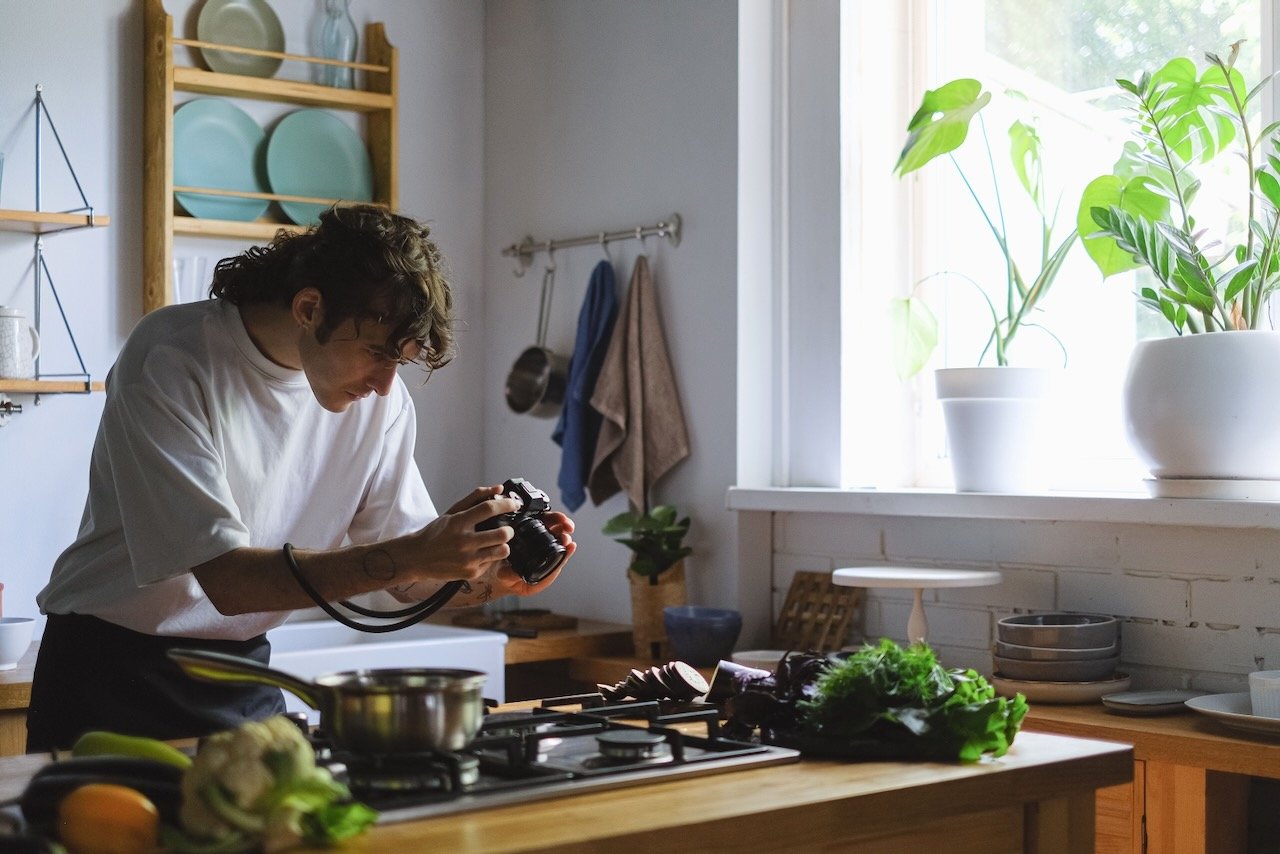
A camera roll is convenient, but it is rarely meaningful. You might have hundreds of food photos stored on your phone, yet struggle to find the picture of your grandmother’s apple pie or remember what made that Sunday dinner so special.
Recipe memories are more than attractive images. They hold family traditions, handwritten adjustments, familiar voices, and stories tied to particular kitchens and occasions. When these details remain scattered across phones, messages, and old pieces of paper, they are surprisingly easy to lose.
Giving recipe memories a more permanent home helps preserve both the food and the people connected to it.
Food Photos Capture Only Part of the Story
A photograph can show the golden crust of a loaf or the careful decoration on a birthday cake.
What it cannot explain is why the recipe matters.
Perhaps the cake was made every year by the same person. Maybe the bread recipe came from a relative who never measured ingredients but somehow achieved consistent results.
Those details transform a food photo into a family memory.
Without context, even important images can become difficult to understand. Years later, you may remember that a meal was special but forget where it happened, who prepared it, or what everyone was celebrating.
Adding a short story, date, recipe, or caption gives the image lasting value. It helps future readers experience the memory rather than simply look at it.
The Camera Roll Is Not a Reliable Recipe Archive
Phones make taking pictures effortless. Organizing those pictures is another matter.
Food photographs are often mixed with screenshots, receipts, holiday snapshots, and duplicate images. A meaningful recipe photo can quickly disappear beneath thousands of newer files.
Search tools may help, but they cannot recover information that was never recorded.
Digital storage also creates a false sense of security. Phones break, cloud accounts change, and files can be deleted accidentally. Even when the photographs survive, they may remain trapped in an account that other family members cannot access.
A useful recipe archive needs more than storage. It needs structure, context, and a format that people can easily revisit.
Recipe Memories Help Preserve Family History
Recipes often reveal how a family lived. Ingredients can reflect cultural roots, local traditions,
financial circumstances, migration, and changing tastes.
A handwritten recipe for soup, for example, may show how someone adapted a traditional dish using ingredients available in a new country. A holiday menu might explain which customs remained important across several generations.
These records also preserve personal character. Instructions such as “add flour until it feels right” or “bake until the kitchen smells warm” may not sound precise, but they capture the voice and habits of the cook.
Record the Details That Make a Recipe Personal
You do not need to write a long family biography for every dish. A few thoughtful notes can provide valuable context.
Consider recording:
- Who introduced the recipe to the family
- When and why it was usually prepared
- Any substitutions or unwritten techniques
- A memorable occasion connected to the dish
- The phrases or advice the original cook often used
These small details are often what later generations appreciate most. They make the recipe feel like a connection rather than a set of instructions.
A Printed Recipe Collection Creates a Shared Experience
Digital files are practical, but physical collections invite a different kind of attention. People can sit together, turn pages, compare notes, and tell stories without scrolling past notifications.
A carefully arranged photo book can bring recipes, food photography, handwritten notes, and family portraits into one cohesive place. Instead of leaving memories scattered across devices, it turns them into something that can be displayed, shared, and passed down.
A printed collection can also become useful in the kitchen. Clear ingredient lists and readable instructions allow family members to recreate the dishes rather than merely admire the photographs.
The goal is not to produce a flawless cookbook. Uneven handwriting, stained recipe cards, and imperfect kitchen photos often make the collection more authentic.
How to Organize Recipe Memories Without Feeling Overwhelmed
The biggest obstacle is often not a lack of material. It is having so much material that you do not know where to begin.
Start with a small theme rather than trying to document every family recipe at once. You could focus on holiday meals, recipes from one relative, childhood desserts, or dishes associated with a particular place.
Choose the Recipes That Carry a Story
A meaningful collection does not need to include every meal you have photographed. Select recipes that reveal something about your family, relationships, or personal history.
For each recipe, gather the best available image and confirm the ingredients and method. If important details are missing, ask relatives what they remember. These conversations often uncover stories that no one thought to record.
Combine Old and New Materials
Do not limit yourself to polished photographs. Scans of handwritten cards, pictures of well-used cookware, old family portraits, and images of ingredients can create a richer record.
You can also recreate a dish and photograph the process. This is especially helpful when the only existing recipe is incomplete or difficult to read. Preparing it with another family member may reveal techniques that were previously passed down only through observation.
Add Clear Captions and Dates
Captions should answer the questions a photograph cannot. Identify the people, place, occasion, and approximate date whenever possible.
If you are uncertain about a detail, say so rather than guessing. A note such as “believed to have been taken around 1985” is more useful than an inaccurate claim presented as fact.
Recipe Collections Make Thoughtful Family Gifts
A collection of recipe memories has value because it is specific to the recipient. It reflects familiar people, meals, and traditions that cannot be purchased in a standard cookbook.
It can make a thoughtful gift for a wedding, milestone birthday, family reunion, or new home. It is also a practical way to welcome younger relatives into family traditions without expecting them to rely on vague instructions or fading memories.
Copies can be shared among siblings, cousins, or adult children. This reduces the risk of one
person becoming the sole keeper of important family records.
What Makes a Recipe Memory Worth Saving?
You may wonder whether an everyday dish is important enough to preserve. In most cases, significance comes from repetition and connection, not complexity.
The pasta made every Friday may hold more emotional value than an elaborate meal served once. A simple lunch can represent care, routine, and a particular stage of family life.
Do not wait for perfect photographs or complete information. Record what you know now, then add details as they emerge. An imperfect memory that has been preserved is far more valuable than a perfect archive that never gets started.
Conclusion: Give Your Recipe Memories a Permanent Home
Your camera roll may be where recipe memories begin, but it should not be where they remain.
Food photographs become more valuable when they are paired with instructions, names, dates, traditions, and personal stories.
Choose one meaningful recipe this week and document it properly. Add a photograph, write down the method, and explain why the dish matters. That small step can become the beginning of a family record people will cook from, talk about, and treasure for years.