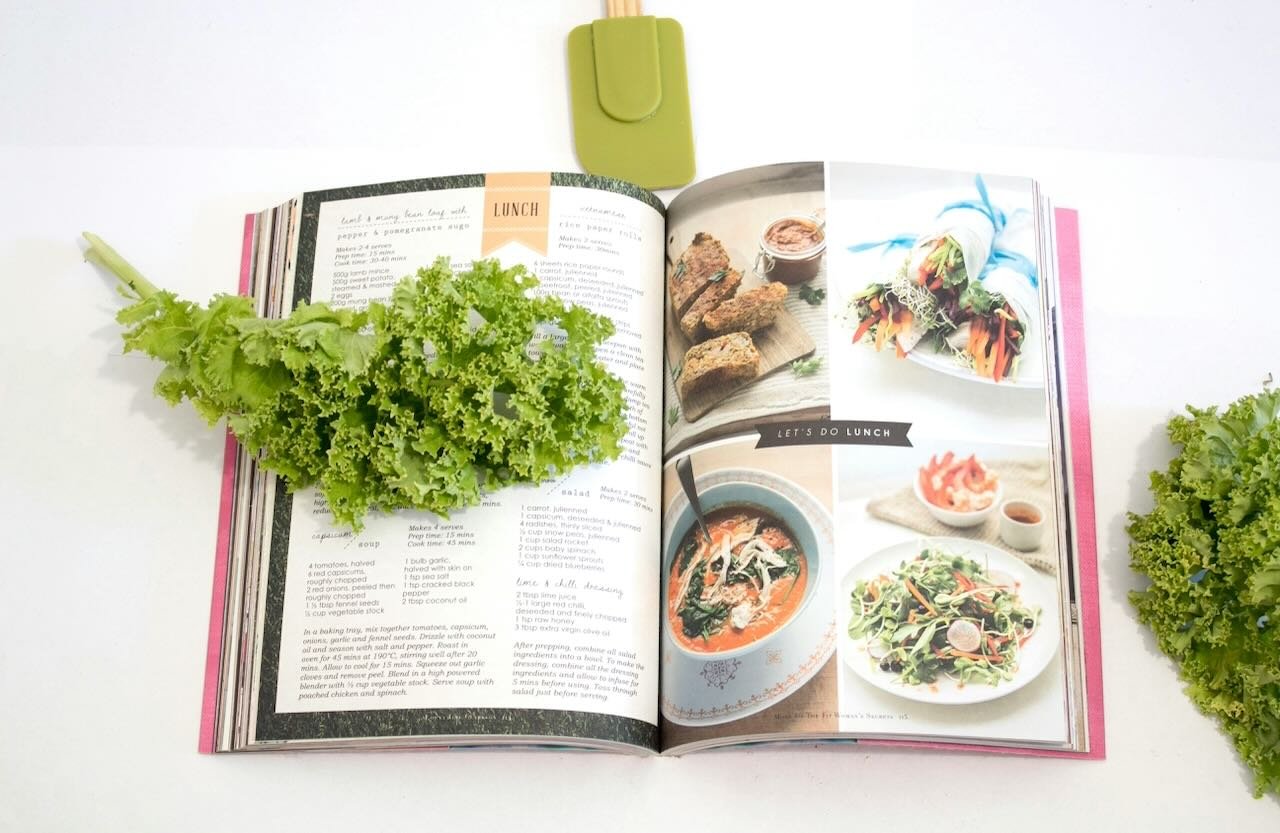
 Student life comes with tight deadlines, limited money, and often a cramped kitchen. Cooking something healthy and satisfying may seem impossible when you’re buried in coursework. But it doesn’t have to be.
With just a few pantry staples, simple steps, budget friendly recipes and basic tools, students can prepare meals that are affordable, quick, and actually taste good.
If you find yourself overwhelmed and low on time, remember that reliable academic help is available. Services that offer writing support for time-pressed students can free up your schedule when you need to take a break, get organized, or just eat a real dinner.
There’s no shame in outsourcing when your schedule is overloaded – especially if it helps you stay balanced, rested, and on track.
But now – this guide is packed with real recipes and practical tips any student can use – whether you’re in a dorm with one hotplate or sharing a flat with three roommates and one pan!
Why Simple Meals Matter More Than Ever
Between lectures, part-time jobs, and assignments, students need food that works with their schedule, not against it. Fast food gets expensive quickly. Takeout is often loaded with sodium and sugar. And instant noodles aren’t sustainable over time.
Easy, home-cooked meals:
- Help students stay energized and focusedu
- Save money on dining out
- Create less food waste
- Give more control over nutrition
When deadlines stack up, it helps to have meals already prepped – or at least a few go-to budget friendly recipes you can trust.
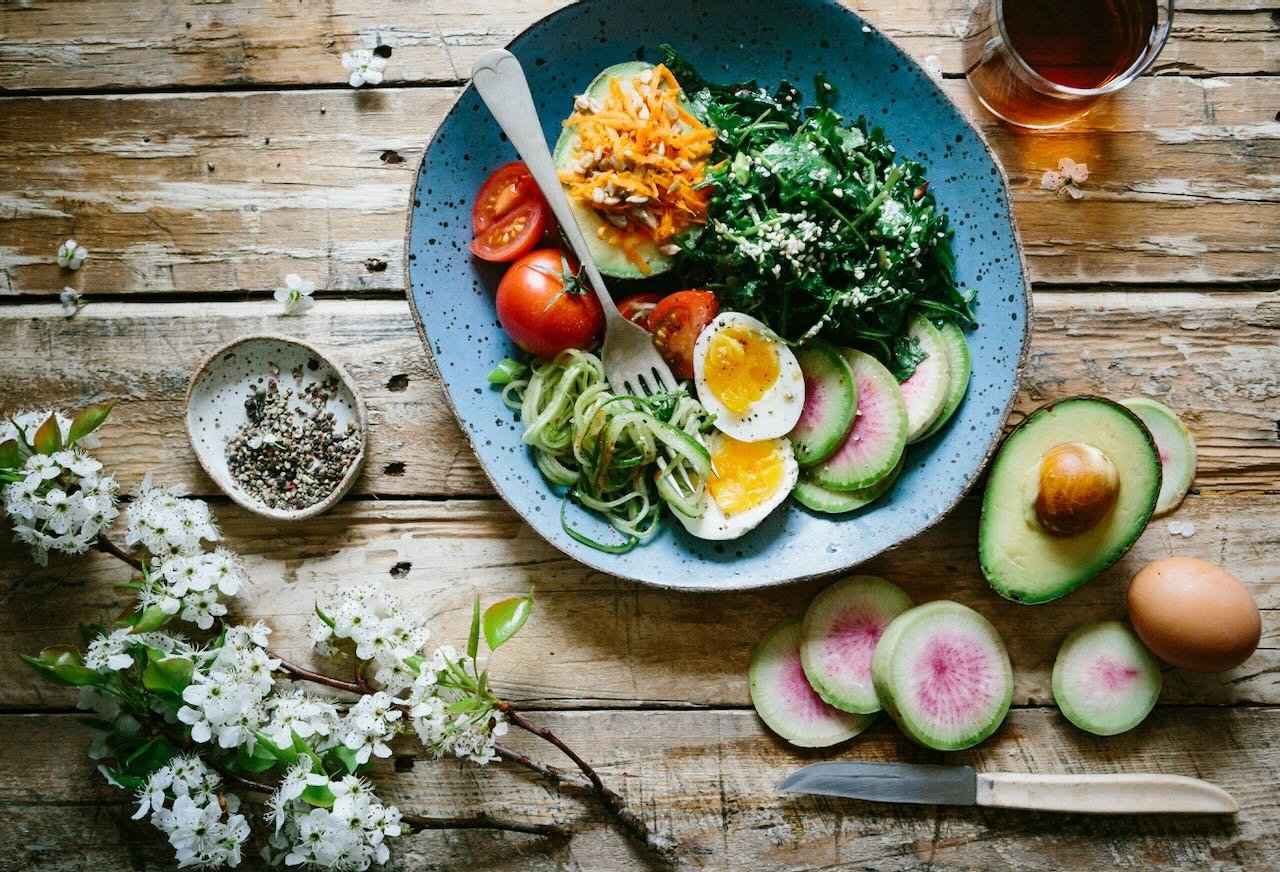
Pantry Staples That Save Time and Cash
Building your pantry isn’t about having dozens of spices or rare ingredients. A few versatile staples can cover dozens of meals:
- Pasta (spaghetti or penne)
- Rice or couscous
- Canned tomatoes
- Frozen vegetables
- Eggs
- Lentils or canned beans
- Olive oil or any basic cooking oil
- Salt, pepper, garlic powder, paprika, herbs
With these on hand, you’re already halfway to dinner.
5 Go-To Budget Friendly Recipes for Busy Student Schedules
These budget friendly recipes are quick, affordable, and don’t require fancy equipment. Each can be made in under 30 minutes – and many of them yield leftovers.
1. Pesto Pasta with Vegetables
A comfort dish that’s hard to mess up.
What you need:
- Pasta
- Jar of pesto
- Olive oil
- Any vegetables (fresh or frozen)
How to make it:
Boil pasta. Drain. Stir in pesto and olive oil. Add steamed or sautéed vegetables. Done in under 15 minutes.
2. Sweet Potato & Lentil Curry
Rich in nutrients and easy to batch-cook.
What you need:
- 1 sweet potato
- 1 cup lentils (canned or dried)
- 1 can diced tomatoes
- Onion
- Curry powder
How to make it:
Sauté onion, add chopped sweet potato, lentils, tomatoes, and curry powder. Simmer until tender. Add water if needed. Keeps for days in the fridge.
3. Chicken Pasta Bake
Great for weekends or when you’re cooking for two (or more).
What you need:
- Pasta
- Leftover or cooked chicken
- Canned tomato sauce
- Cheese (optional)
- Bell pepper or spinach
How to make it:
Cook pasta. In a baking dish, mix pasta, chicken, sauce, chopped veggies. Top with cheese and bake for 10-15 minutes until bubbly.
4. Overnight Oats
A no-cook breakfast that makes mornings easier.
What you need:
- Rolled oats
- Milk or yogurt
- Optional: honey, banana, berries
How to make it:
In a jar, mix oats and milk (1:1 ratio). Add toppings. Refrigerate overnight. Grab-and-go the next morning.
5. Veggie Stir-Fry with Rice
Flexible and quick. A great way to use leftovers.
What you need:
- Rice
- Frozen vegetables
- Soy sauce or any seasoning
- Optional: tofu, egg, beans
How to make it:
Cook rice. Stir-fry veggies and protein in oil. Add seasoning. Serve hot. Great as a next-day lunch too.
Meal Prep Tips That Actually Work
Batch cooking saves time and ensures you always have something on hand. Make double portions and store leftovers in containers for the next two days.
Use one core ingredient multiple ways. For example:
- Rice = stir-fry, curry base, or rice bowls
- Eggs = scrambled, omelette, or boiled as a snack
Stick with the basics. You don’t need five pans or a slow cooker. One large pot, one frying pan, and a knife are enough for most meals.
Label your containers. Helps avoid confusion and keeps you from tossing out perfectly good food.
Sample 5-Day Meal Plan for Students
| Day | Dinner Option |
| Monday | Pesto Pasta |
| Tuesday | Veggie Stir-Fry |
| Wednesday | Lentil Curry |
| Thursday | Pasta Bake |
| Friday | Rice + Beans + Frozen Veggies |
Budget Friendly Recipes That Fit the Study Schedule
Let’s face it – cooking isn’t always a top priority during finals week. But neither is skipping meals. That’s where having a set of flexible, tested budget friendly recipes comes in handy.
When you’re racing against a deadline and don’t want to sacrifice your grade or your health, even a 10-minute meal can make a difference.
This is something Annie Lambert – a contributor to EssayPro’s essay writing service – emphasizes when working with students. According to her, “Food is often the first thing students compromise when they’re under pressure. But it doesn’t take much to have both: basic nutrition and academic success. Keep the meals simple and support systems strong.”
What’s Next
Start small. Pick one recipe this week and try it. Make a short grocery list based on that meal, and see how it goes.
Then next week, try two. Store leftovers. Get used to having food ready, not just thinking about it when it’s already too late, and you’re hungry.
Cooking doesn’t have to be fancy to be smart. And when paired with time-saving study strategies, it becomes part of a larger routine that supports both your brain and your body.