 Ask a room full of food lovers where caviar comes from, and you’ll get more guesses than correct answers. It’s one of the most common gourmet mix-ups out there, even among people who order it regularly at nice restaurants.
Here’s the short version: real caviar comes from sturgeon, a group of fish so old they were already swimming the earth’s rivers and oceans before dinosaurs existed. Plenty of other fish eggs get sold under the “caviar” label, salmon, trout, and paddlefish roe among them but none of those are caviar in the traditional sense. Only sturgeon roe earns that name.
Knowing which sturgeon species produce which style of roe isn’t just trivia. It’s genuinely useful if you’re shopping for caviar, hosting a dinner party, or just trying to figure out what separates a $60 tin from a $600 one. Once you understand the fish behind the roe, the entire category starts to make a lot more sense.
So, What Fish Is Caviar Actually Made From?
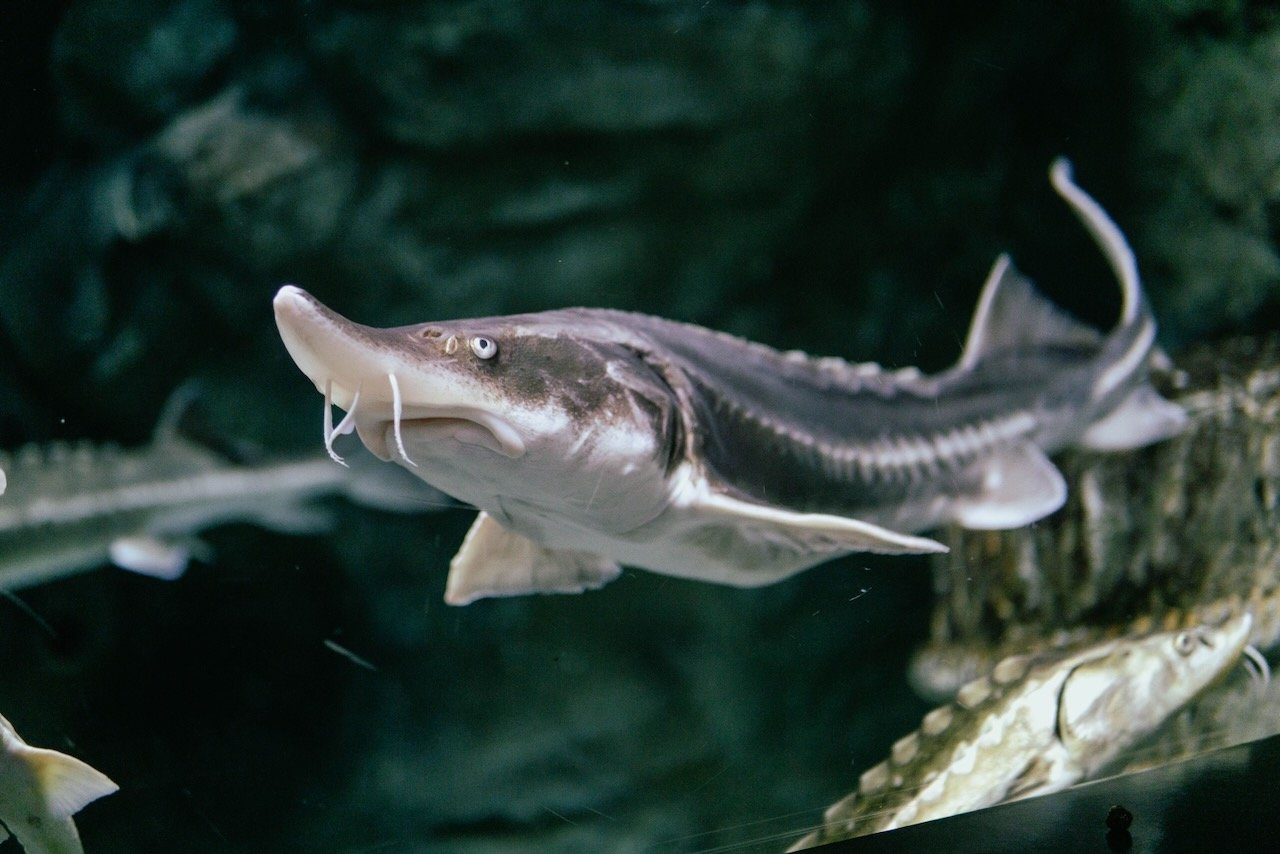
True caviar is the roe of sturgeon, fish belonging to the Acipenseridae family. Sturgeon has barely changed in appearance for well over 200 million years, which makes them one of the most ancient fish lineages still swimming today.
For most of history, the best-known caviar came from wild sturgeon in the Caspian and Black Seas. That’s changed substantially in recent decades. Most of the caviar sold today, including the premium stuff is raised on aquaculture farms, a shift that has taken enormous pressure off wild sturgeon populations without sacrificing quality.
Walk into any reputable caviar shop and you’ll typically find roe labeled by species rather than just “caviar.” The names to know are:
- Beluga
- Kaluga
- Ossetra (sometimes spelled Osetra)
- Sevruga
- Siberian Sturgeon
- White Sturgeon
- Hackleback
Specialty sellers such as Caviar Star work directly with sustainable sturgeon farms to bring these varieties to market, which means shoppers can enjoy authentic roe while also supporting conservation-minded producers.
Why Doesn’t All Fish Roe Count as Caviar?
By now you know that caviar comes from these fish, but here’s where a lot of confusion creeps in, not every fish egg on the market gets to call itself caviar.
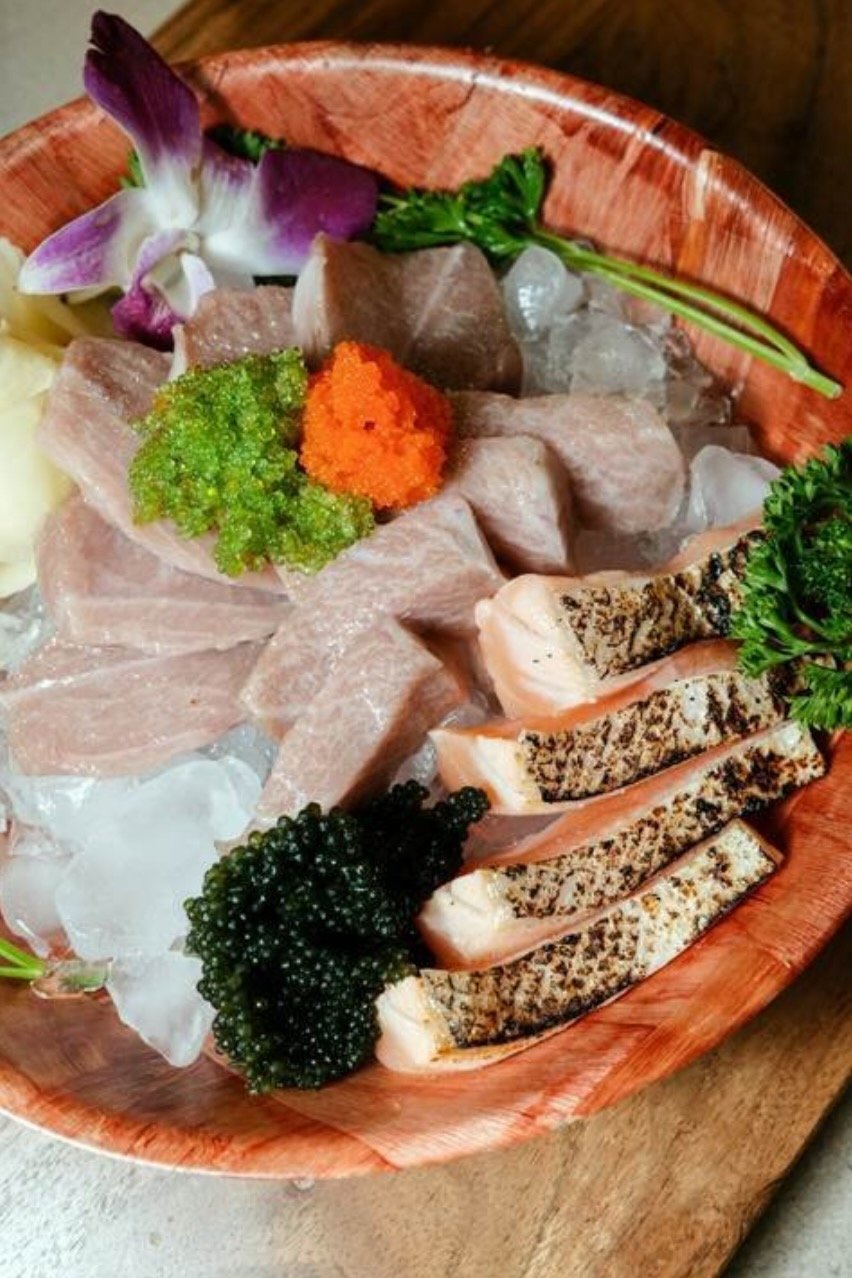
Every caviar is technically fish roe but the reverse isn’t true. Salmon roe, trout roe, tobiko, whitefish roe, and lumpfish roe are all perfectly delicious, yet none of them qualify as true caviar because none of them come from sturgeon.
This isn’t just a labeling technicality. Sturgeon roe differs from other fish eggs in flavor, texture, how it’s aged, and how it’s processed, which is exactly why the distinction has stuck around for so long.
Meet the Sturgeon: The Fish That Actually Produce Caviar
Every sturgeon species brings its own personality to the tin, with different egg size, color, texture, and flavor profiles. Here’s how the major varieties compare.
Beluga Sturgeon
If caviar has a flagship species, it’s Beluga. Beluga roe comes from the Huso sturgeon and is known for unusually large pearls with a smooth, almost buttery texture that seems to dissolve on the tongue. Colors range from pale silver-gray to near-black.
Because wild Beluga stocks were overfished for generations, authentic wild-caught Beluga is now tightly restricted. Nearly all the Beluga-style caviar sold internationally today comes from sustainable farms or carefully bred hybrid sturgeon.
Kaluga Sturgeon
Sometimes nicknamed the “River Beluga,” Kaluga has quickly become one of the most in-demand premium caviars around.
Its large, glossy eggs look a lot like Beluga’s, and the flavor follows suit, rich and creamy with soft buttery undertones. Kaluga also happens to adapt well to responsible fish farming, which makes it a strong pick for anyone who wants a Beluga level experience with better sustainability credentials.
It’s also a favorite among Caviar Star customers, thanks to a reliable balance of flavor, texture, and price.
Ossetra Sturgeon
Ossetra is often the caviar experts recommend to newcomers.
The eggs are medium sized with a satisfying firm pop, followed by a layered flavor that typically includes:
- buttery richness
- nutty undertones
- a light brininess
- a hint of natural sweetness
Ossetra also stands out visually, ranging from olive and bronze tones to deep gold. Golden Ossetra is considered one of the rarer, more coveted varieties on the market.
Sevruga Sturgeon
Sevruga eggs run smaller than Beluga or Ossetra, but plenty of longtime caviar fans prefer the boldness that comes with them. Expect:
- a pronounced ocean-forward flavor
- bright, noticeable salinity
- a clean, quick finish
- deep umami character
If you gravitate toward stronger seafood flavors, Sevruga is worth seeking out.
Siberian Sturgeon
Siberian Sturgeon has quietly become one of the most successful farm-raised caviar sources anywhere in the world. Its roe delivers:
- a mild, buttery flavor
- a clean finish
- medium-sized pearls
- dependable, consistent quality
Because Siberian Sturgeon matures faster than several other species, it’s also more widely available without any real drop-off in quality.
White Sturgeon
North America’s largest freshwater fish also happens to produce excellent caviar. Native to the Pacific Northwest, White Sturgeon yields medium-sized eggs with a well-rounded mix of richness and brine. Plenty of American chefs favor it specifically because it pairs premium quality with domestic sourcing.
Hackleback Sturgeon
Also known as Shovelnose Sturgeon, Hackleback is one of the few wild American caviars still available today. Its small, jet-black pearls bring:
- firm texture
- nutty flavor
- a clean finish
- strong value for the price
It’s a great entry point for home cooks who want genuine sturgeon caviar without paying Beluga or Ossetra prices.
What About Paddlefish, Salmon, and Trout Roe?
A lot of shoppers assume these count as caviar too. Technically, they don’t, but that doesn’t make them any less worth trying.
Paddlefish Roe
Paddlefish are close relatives of sturgeon, and their roe comes closer to true caviar than almost any other substitute. Expect:
- earthy flavor notes
- a mild smokiness
- a soft texture
- a friendlier price point
It’s frequently recommended to first-time roe buyers who want a taste of the category before committing to sturgeon prices.
Salmon Roe
Bright orange, large, and translucent, salmon roe delivers a juicy pop and a mild, approachable seafood flavor. You’ll typically see it on:
- sushi
- rice bowls
- seafood appetizers
- canapés
Trout Roe
A bit smaller than salmon roe, trout roe brings vivid color and a delicate flavor that works well with eggs, seafood, potatoes, and soft cheeses.
These are all excellent products, they’re just a different category from true caviar, even though they’re often marketed side by side.
Why Does Caviar Cost So Much?
Price, more than anything, comes down to time. Sturgeon are not a fast crop. Depending on the species, female sturgeon may need anywhere from 7 to 20 years before they’re ready to produce harvestable roe.
Throughout that stretch, producers must maintain:
- precisely controlled water conditions
- specialized feeding programs
- ongoing veterinary care
- sustainable population management
Once the fish finally reaches maturity, the roe is carefully harvested, cleaned, graded by size and color, and lightly salted using the traditional malossol method, a technique built around preserving natural flavor rather than masking it with salt.
All that patience is exactly why authentic caviar sits at the top of the luxury food world.
How Do You Know If Caviar Is the Real Thing?
Don’t just trust the word “caviar” on a label. Look for the species’ name instead. Legitimate products will identify the specific fish, using names like:
- Beluga
- Kaluga
- Ossetra
- Sevruga
- Siberian Sturgeon
- White Sturgeon
- Hackleback
Reputable specialty suppliers, Caviar Star included, disclose detailed sourcing information so customers know exactly which fish produced their roe and how it was harvested.
The Simplest Way to Serve Caviar
One of the most common caviar mistakes is overthinking the presentation.
Good caviar barely needs any preparation at all. Serve it:
- well chilled
- straight from the tin
- with mother-of-pearl, horn, or bone spoons
- alongside blinis, toast points, or lightly buttered crackers
- with crème fraîche, if you’d like
Skip silver or other reactive metal spoons, since they can subtly change the flavor. Keep the presentation simple and let the roe itself be the centerpiece.
Which Caviar Should Beginners Try First?
If you’re new to caviar, a few varieties make for an easier entry point.
Ossetra offers a well-rounded, complex flavor without being overwhelming. Siberian Sturgeon delivers excellent value with a clean, easy-to-like taste. If sustainability matters to you as much as luxury, Kaluga is worth a look, and Hackleback is a budget-friendly way to try genuine American sturgeon caviar.
Retailers such as Caviar Star offer curated tasting selections that make it easy for first timers to compare varieties side by side and figure out what they enjoy.
As more people bring gourmet ingredients into their own kitchens, understanding where caviar comes from has become just as valuable as knowing how to serve it. Recognizing that the authentic one comes exclusively from responsibly managed sturgeon helps separate genuine tradition from marketing spin and knowing the differences between Beluga, Kaluga, Ossetra, Sevruga, White Sturgeon, Siberian Sturgeon, and Hackleback makes it much easier to pick the right variety for any occasion.