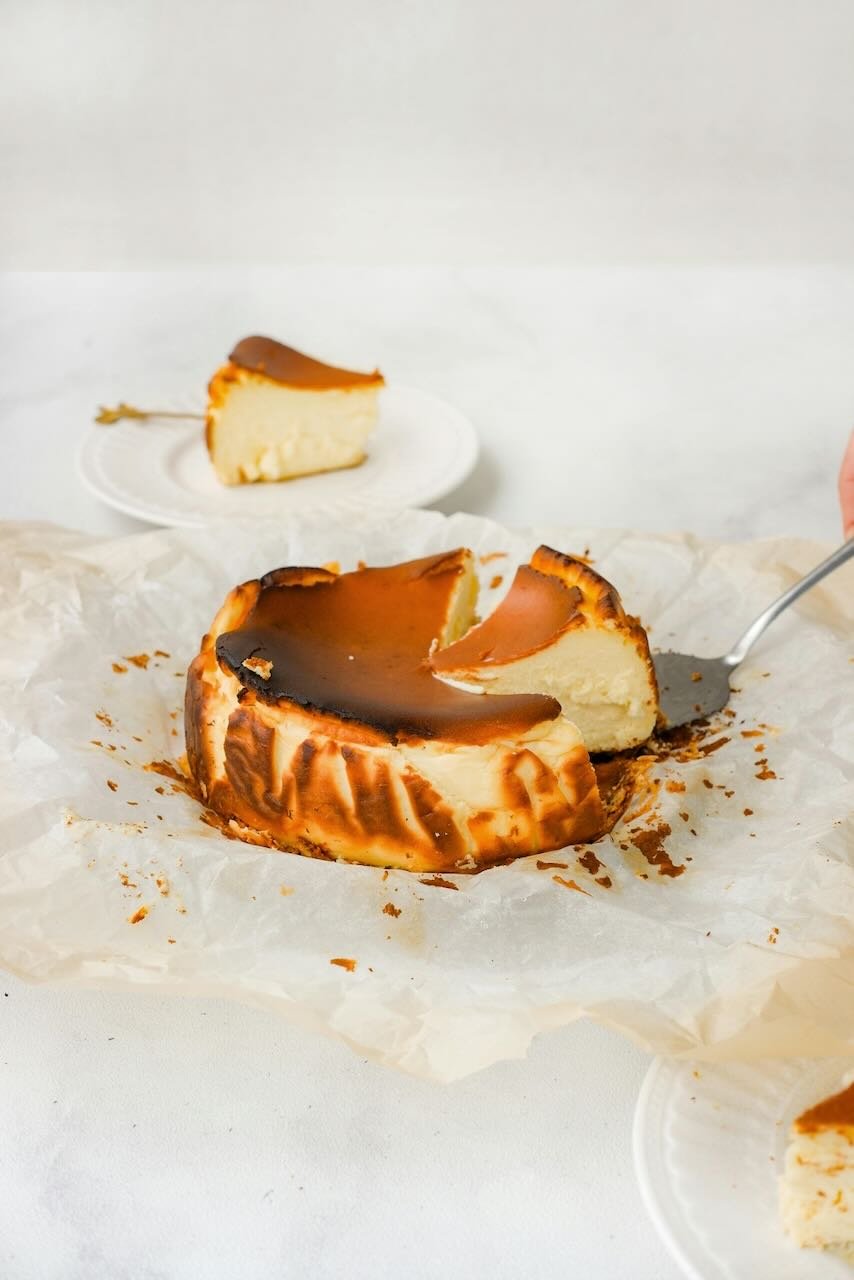
 Cheesecake is one of those desserts that feels indulgent yet comforting, rich, creamy, and often made in batches large enough to last several days.
But once it’s been sliced and stored, a common question arises: how long does cheesecake last in the fridge?
The answer isn’t as simple as a fixed number of days. Shelf life depends on ingredients, storage methods, and even how often the cake is exposed to room temperature. In real-world kitchen practice, proper storage can make the difference between a perfectly preserved dessert and one that spoils sooner than expected.
How Long Does Cheesecake Last in the Fridge?
In general, cheesecake lasts about 4 to 5 days in the refrigerator when stored properly. This applies to most homemade and bakery-style cheesecakes made with fresh dairy ingredients like cream cheese, eggs, and cream.
From a food safety perspective, cheesecake is considered a perishable dessert. Because it contains high-moisture dairy, it can spoil quickly if not handled correctly.
General Shelf Life Breakdown
- Homemade cheesecake: 4–5 days
- Store-bought cheesecake: 5–7 days (if unopened and refrigerated)
- Cheesecake with fresh fruit toppings: 3–4 days
- No-bake cheesecake: 3–5 days
Experienced bakers often note that while cheesecake may still look fine after several days, texture and flavour begin to degrade before spoilage becomes obvious.
What Affects Cheesecake Shelf Life?
Not all cheesecakes age the same way. Several factors influence how long your dessert will stay fresh.
Ingredient Quality
Fresh ingredients naturally last longer. Cheesecakes made with high-quality cream cheese and fresh eggs tend to maintain their structure and taste better over time.
Type of Cheesecake
Different styles have different lifespans:
- Baked cheesecake tends to last longer due to its denser structure
- No-bake cheesecake is more delicate and spoils faster
- Vegan or dairy-free versions may vary depending on ingredients
Storage Conditions
Temperature consistency is critical. Frequent opening of the fridge or storing cheesecake near the door can expose it to temperature fluctuations, reducing its shelf life.
Exposure to Air
Air is one of the biggest enemies of freshness. Cheesecake can absorb odours and dry out if left uncovered.
From a practical standpoint, airtight storage is non-negotiable if you want to preserve both flavour and texture.
How to Store Cheesecake Properly
Proper storage isn’t complicated, but it does require attention to detail.
Use an Airtight Container
Place the cheesecake in a sealed container or wrap it tightly with plastic wrap. This prevents it from drying out and absorbing other food odours.
Keep It Refrigerated Immediately
Cheesecake should not sit at room temperature for more than 2 hours. After serving, return it to the fridge promptly.
Store on a Stable Shelf
Avoid placing cheesecake on the fridge door. Instead, keep it on a middle or lower shelf where temperatures remain stable.
Separate Toppings if Possible
If your cheesecake includes fresh fruit or sauces, consider storing them separately and adding them just before serving.
In professional kitchens, these small adjustments significantly extend the usable life of desserts.
Signs Your Cheesecake Has Gone Bad
Even with proper storage, cheesecake won’t last forever. Recognising spoilage early is essential.
Sour or Off Smell
A fresh cheesecake has a mild, creamy aroma. Any sour or unusual odour is a clear sign that it should be discarded.
Texture Changes
If the surface becomes slimy or excessively dry, the cheesecake is no longer safe to eat.
Mold Growth
Visible mould is an obvious indicator of spoilage. At this point, the entire cheesecake should be thrown away.
Discoloration
Yellowing or dark spots may indicate that the dessert is past its prime.
From a food safety standpoint, it’s always better to err on the side of caution.
Can You Freeze Cheesecake?
If you’re not planning to eat your cheesecake within a few days, freezing is an excellent option.
How Long Does Cheesecake Last in the Freezer?
Cheesecake can last up to 1–2 months in the freezer without significant loss of quality.
Freezing Tips
- Wrap the cheesecake tightly in plastic wrap
- Add an extra layer of aluminium foil
- Store in an airtight container for best results
Thawing Process
To maintain texture, thaw cheesecake slowly in the refrigerator overnight. Avoid thawing at room temperature, as this can lead to uneven consistency.
Experienced bakers often freeze cheesecake in slices, making it easier to thaw only what’s needed.

Common Storage Mistakes to Avoid
Even small mistakes can shorten the lifespan of your cheesecake.
Leaving It Uncovered
Exposure to air dries out the surface and affects flavour.
Storing While Still Warm
Placing a warm cheesecake in the fridge can create condensation, leading to sogginess and faster spoilage.
Frequent Temperature Changes
Taking cheesecake in and out of the fridge repeatedly accelerates deterioration.
Mixing Strong-Smelling Foods Nearby
Cheesecake can absorb odours from foods like onions or garlic, affecting its taste.
In real-world practice, consistency in storage conditions is just as important as the method itself.
How Professional Kitchens Handle Cheesecake Storage
In commercial kitchens, dessert storage is handled with precision. Tools, timing, and workflow all play a role.
For example, platforms like Wilprep Kitchen focus on equipping kitchens with efficient prep and storage solutions, helping maintain food quality and safety standards.
From a strategic perspective, the difference between home and professional storage often comes down to consistency and organisation. Professionals minimise exposure to air, maintain strict temperature control, and label items with preparation dates.
Does Cheesecake Taste Better Over Time?
Interestingly, cheesecake often tastes better after sitting in the fridge for a day.
Flavor Development
Allowing the cheesecake to rest helps flavours meld together, resulting in a richer taste.
Improved Texture
Chilling fully sets the structure, making it easier to slice and enhancing the creamy consistency.
However, this improvement peaks within the first couple of days. After that, quality gradually declines.
How to Maximise Freshness
If you want your cheesecake to stay fresh as long as possible, follow these best practices:
- Store immediately after serving
- Keep it tightly sealed
- Avoid unnecessary exposure to the air
- Maintain a consistent refrigerator temperature
- Freeze portions if not consumed within a few days
These steps may seem simple, but they significantly impact both safety and taste.
Conclusion
So, how long does cheesecake last in the fridge? In most cases, you can expect 4 to 5 days of optimal freshness, provided it’s stored correctly. Beyond that, quality begins to decline, and the risk of spoilage increases.
Cheesecake is a delicate dessert that rewards careful handling. From proper storage techniques to recognising signs of spoilage, small details make a big difference. Whether you’re enjoying a homemade slice or saving leftovers from a special occasion, understanding these principles ensures that every bite remains as satisfying as the first.
In the end, cheesecake isn’t just about indulgence; it’s about preserving quality, flavour, and safety with the same attention you’d give any well-crafted dish.