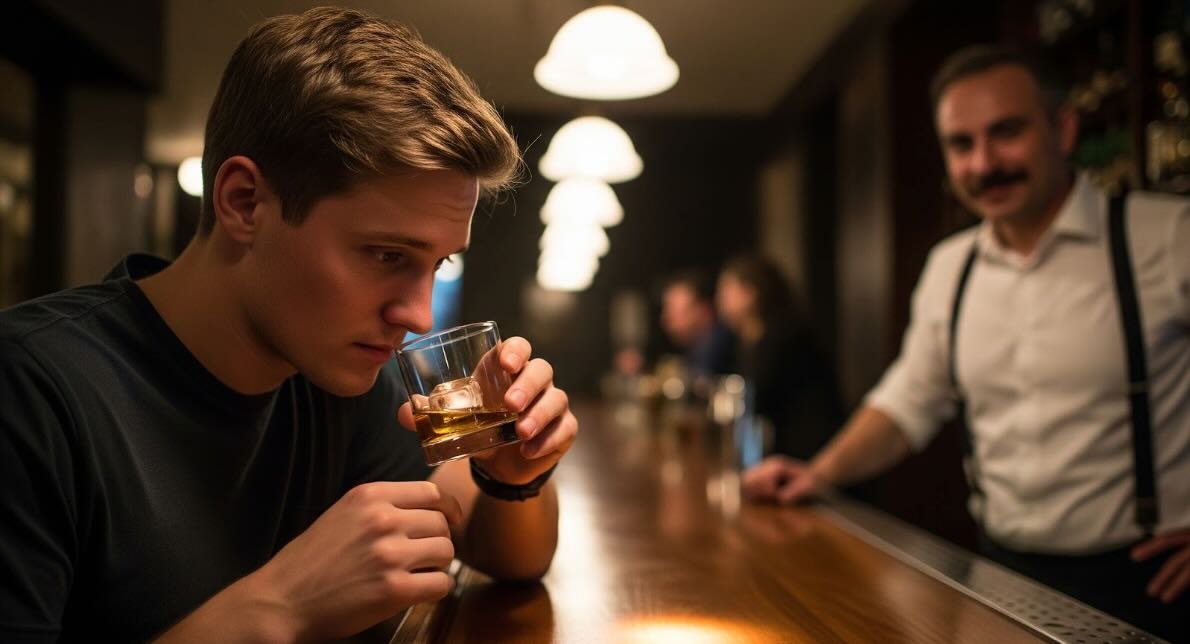
 You have found a bottle at the back of the cupboard, half empty, cork slightly dry, and you are wondering whether it is still worth pouring.
It is a question more whisky drinkers face than they admit. Here is what is actually happening inside that bottle.
The Short Answer
No. A single malt whisky will not go off in any meaningful sense. It will not turn sour, grow mould, or become unsafe to drink. The alcohol content, typically 40% ABV or higher, acts as a natural preservative, making the kind of bacterial spoilage you see in food or lower-alcohol drinks essentially impossible. What can happen, however, is a gradual shift in flavour over time, and understanding that process is what separates a well-kept bottle from a diminished one.
What about an unopened bottle?
An unopened single malt whisky, stored correctly, will last indefinitely. This is one of whisky’s most remarkable qualities. The aging process happens entirely in the cask, driven by the interaction between spirit, wood, and the Scottish climate. The moment single malt whisky is bottled, that process stops completely. A 12-year-old Speyside single malt bottled in 2010 will still be a 12-year-old Speyside single malt in 2040, carrying the same flavours it had on bottling day, assuming it has been stored well.
What Happens Once You Open It?
This is where the picture becomes more nuanced. Once the seal is broken, oxygen enters the equation. Oxidation is a slow chemical process in which air molecules interact with the compounds in the whisky, gradually softening some flavours while dulling others. The result, over a long enough period, is a single malt whisky that may taste flatter, less vibrant, or subtly different from when you first opened it.
The speed of this change depends on how much whisky remains in the bottle. A bottle that is more than half full (look at us being optimistic), kept tightly sealed and stored away from light and heat, will hold its character well for anywhere between several months and two years. A bottle that is a quarter full has far more air inside it relative to liquid, meaning oxidation accelerates.
It is also worth noting that ethanol is hygroscopic, meaning it gradually absorbs moisture from the surrounding air. Over a long period, this can subtly alter the balance of the spirit, nudging the ABV slightly downward and softening the texture in ways that may or may not be welcome depending on the whisky in question.
The Cork Factor
One of the most overlooked threats to an ageing bottle of single malt is not the whisky itself but the cork. A dry or degraded cork allows air into the bottle in an uncontrolled way, speeding up oxidation. It can also, in worst-case scenarios, allow the cork material itself to contaminate the whisky, producing an unpleasant musty or woody taste.
This is why single malts should always be stored upright rather than on their side. Wine is stored horizontally to keep the cork moist, but whisky at 40% ABV or higher will degrade a cork on contact over a long period. Storing it upright keeps the cork from coming in contact with the whisky.
Does Direct Light Damage Whisky?
Yes, and more than most people realise. UV rays from sunlight can break down the delicate aromatic compounds in a single malt whisky, causing colour to fade and flavour to become muted over time.
This is why most distilleries bottle in dark or tinted glass, and why a whisky stored on a sunlit shelf will deteriorate far more quickly than one kept in a dark cupboard or cabinet. Even artificial light can cause slow degradation over extended periods, so a cool, dark environment is always the right choice.
How to Store Single Malt Properly
The principles are straightforward. Store bottles upright, away from direct sunlight, in a space with a stable, cool temperature, ideally between 15 and 20 degrees Celsius. Avoid locations where the temperature fluctuates significantly, as repeated expansion and contraction of the liquid can compromise the seal over time.
Once a bottle is open, keep the stopper firmly in place after each pour. If the bottle is running low, consider transferring the remaining single malt whisky into a smaller, airtight bottle to reduce the air-to-liquid ratio and extend its life.
Finding the best whiskies
When single malt whisky lovers invest time in understanding what they have on their shelf, they tend to get far more pleasure from every bottle. The best single malts reward patience and proper care equally. Storing them correctly is not overthinking it. It is simply respecting the years of craft that went into producing them in the first place. If you’re looking to get your hands on real quality, The Whisky Club has a wide range of whiskies for you to add to your collection.
Final Thoughts
A single malt whisky is one of the most resilient spirits you can own. Treat it well, and it will reward you. The only genuine threat is neglect: poor storage, a compromised cork, or an open bottle left mostly empty for years longer than it should be. Looking after a bottle of single malt whisky is easy. Just store it right, and you’re all set. Easy as that!