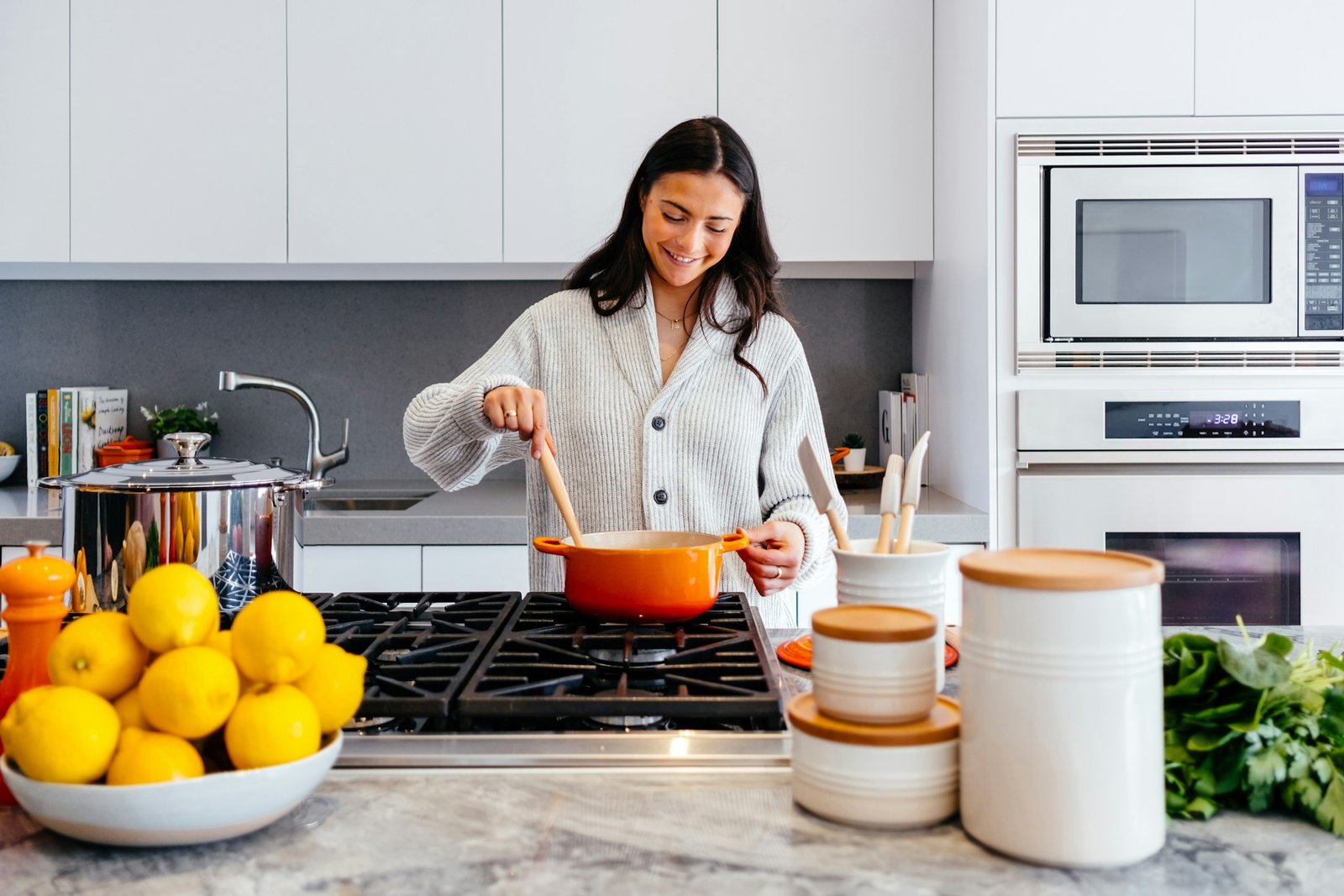
 There is no way of cooking that will succeed without observation, experimentation, and other learning. Reading food blogs have become the invaluable treasure trove of food bloggers, and it is the credit to recipes and confidence within the kitchen.
Whether you’re curious about mastering knife techniques or exploring regional flavor profiles, the best food bloggers offer a wealth of knowledge that goes far beyond ingredient lists.
Food blogs are not like regular cookbooks, though they offer a more interactive type of learning. They welcome you into the kitchen of the blogger and tell you not only what she prepares or cooks, but also why she made this choice in the first place.
Learning Techniques
Visual storytelling is one of the strongest features of food blogs. The videos, photographed with high quality and step-by-step steps, have to deconstruct complicated cooking methods into manageable ones. A study by Surgenor et al. (2017) established that video technology was more effective in making the participants understand the cooking process, had reassurance effects in real time as well as helping to learn new technical skills such as how to make a sauce.
When you read recipes from food blogs, you’re not just following instructions–you’re observing how ingredients transform at each stage. One can see when caramel will turn to the correct color, or what correctly kneaded dough is supposed to become. Such visual information can be especially beneficial to a beginner, who does not have the size of experience found by an experienced cook to memorise the look of their cuisine.
Process photos of what the batter will look like before or after adding the egg whites, or what minced garlic is supposed to look like before it burns are also popular with many food bloggers. Such visual indicators will enable you to build the aspect of intuition, and know when something is going right or wrong.
Multiculturality Opens Your Culinary Horizons
It is through reading food blogs that you get to know the world of eating habits that you may never have heard of before. Guest bloggers and foreigners contribute their family recipes, local snacks and uncommon combinations of flavors that defy your expectations of what tastes good.
Broad reading food blogs opens you to those methods of preparing various foods. You may get to know some of the ways in which Korean food is fermented, the spicing that is popular with Indian food, or the exact time when Italian pasta is at its best. All sides contribute to your cooking ingredients and provide you with the additional instruments. Much like how you might read free novels on FictionMe to discover new authors and genres, exploring diverse food blogs can introduce you to culinary voices and traditions from around the globe. This exposure will help you explore ingredients and techniques that you would prefer to shun.
Bringing the Ideal Ideas to Life
Food blogs are worth reading because they encourage continued habitual behaviors. Blogs, as opposed to threatening cook books, make cooking look like a simple, daily movie. They demonstrate dishes prepared in very home kitchens by individuals who are working, family-oriented, and have low incomes.
This ease of identification gives you the impulse to experiment more. When you find a person in the kitchen of a restaurant who has already demonstrated to you that he can use this technique in his home you have more chances to attempt to do it on your own. The little victories give you assurance and encourage you to work on more and more difficult recipes.
To broaden your reading culture beyond the food universe, you are free to read as many literature genres and narratives as you can. Go now and enjoy watching entertaining stories which can supplement your time in cooking. In case you love reading new stories, attend platforms providing varieties of content.
Professional Knowledge Strengthens Your Knowledge
The best food bloggers don’t just tell you to “cream butter and sugar”–they explain why this step aerates your batter and creates a lighter texture. This form of technical commentary makes recipe-following actual skill-building.
When bloggers talk about proportion ratios of ingredients, steps in achieving a chemical reaction or timing then they are teaching you some ideas behind an effective cooking. You begin to realize that baking is simply applied chemistry, that muscle searing is about the Maillard reaction, and that it is necessary to use certain methods to make emulsions stable.
Such basic knowledge results in increased flexibility. With the knowledge of why some steps are important, you will be able to trouble-shoot, be selective in making substitutions, and even blend your own recipes. D Ceasing to be tied down to going by directions–you are able to think as a cook.
Sum Up
Food blogging is not about recipes only, it is also what cultivates your cooking instinct, broadens your culinary horizons, and instills the confidence to be able to test in the kitchen. Food blogs change the way you view the process of cooking at home using visual learning, different points of view, technicality, and shared wisdom.
Your constant exposure to this online food content will eventually improve the way you prepare your food, how you innovate food time and again, and how you feel confident doing it.